The holiday season is a time filled with joy, celebration, and, often, a lot of expenses. As the festivities wind down, many find themselves facing the reality of depleted bank accounts, credit card debt, and the daunting task of rebuilding their financial safety nets.
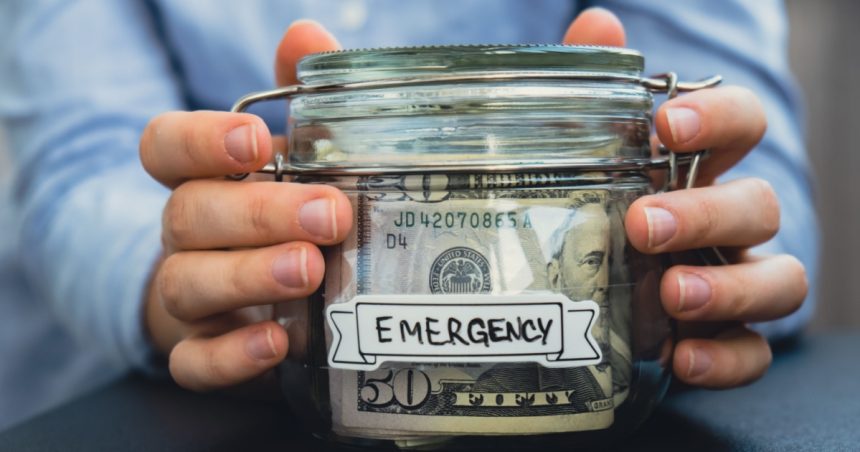
An emergency fund serves as a crucial buffer against life’s unexpected twists and turns, providing peace of mind and financial stability. In this guide, we will explore practical steps to create and maintain a robust emergency fund specifically designed for the post-holiday recovery period.
Key Takeaways
- Protection: Emergency funds prevent you from relying on credit cards when unexpected costs arise.
- The Target: Aim for three to six months of essential living costs, but start small ($1,000).
- Automation: Setting up automatic transfers removes the willpower struggle from saving.
- Expert Help: Nonprofit credit counseling can help if high-interest debt is blocking your ability to save.
What is an Emergency Fund and Why Do You Need One?
An emergency fund is a dedicated financial safety net designed to cover unforeseen expenses, such as medical emergencies, car repairs, or sudden job loss.
While the “holiday hangover” might make you want to focus strictly on paying bills, having cash reserves is vital. Without this cushion, a single flat tire or urgent care visit could force you back into high-interest debt, undoing your hard work.
The recommended size of an emergency fund typically ranges from three to six months’ worth of living expenses, ensuring you can navigate life’s uncertainties without compromising your financial goals.
Step-by-Step Guide to Building an Emergency Fund
1. Assess your current financial situation
Begin by taking a comprehensive look at your current financial standing. Assess your income, monthly expenses, and any outstanding debts accrued during the shopping season.
Understanding where your money goes each month is crucial. Look at your credit card statements from November and December to distinguish between “holiday one-offs” and “recurring life expenses” to identify where you can cut back.
2. Set SMART savings goals
Determine how much you need to save to feel secure. While the general rule is to aim for three to six months of expenses, tailor this to your personal circumstances. Consider factors such as job stability, family size, and any existing financial obligations.
Setting a SMART goal will provide motivation and a tangible target. Here’s how to go about it. Make sure the goals you set up are:
- Specific: Clearly lay out the goal. Say, “I want to save 3 months of expenses ($12,000) for my emergency fund” instead of “I want to save money.”
- Measurable: Track your progress with milestones. For example, saving $1,500 a month means hitting a $12,000 milestone in 8 months. Celebrate these wins to keep momentum high!
- Achievable: Set goals that are realistic given your current resources. If you are paying off holiday debt, a smaller starting goal (like $1,000) might be more attainable.
- Relevant: Ensure your goals align with your broader life objectives. Ask yourself why this matters, is it to avoid stress? Or is it to make sure that you are prepared financially in economic uncertainties like job loss?
- Time-bound: Give your goal a deadline. “I want to have the money saved in 8 months.”
Still need help creating SMART goals? Check out this SMART goals template from Experian.
3. Create a post-holiday budget
A well-structured budget is the backbone of any successful savings plan. Post-holiday, it’s essential to re-evaluate your budget to reflect any changes in your financial situation.
Start by prioritizing essentials: housing (rent/ mortgage), utilities, groceries, and transportation. Then, identify discretionary non- essential expenses that can be reduced or eliminated to boost savings. Prioritize needs vs wants.
Needs vs. Wants – What’s the difference?
Make sure you understand the difference between need vs wants while creating your budget. Here is a simple explanation from one of our certified credit counselors at American Consumer Credit Counseling.
“A need is something you basically need to survive. […] A want? That shirt that cost far too much than I anticipated” says ACCC Credit Counselor Kaimana Komulainen (3+ years of experience).
4. Automate your savings
One of the most effective ways to build an emergency fund is to remove the manual effort.
“Saving automatically is one of the easiest ways to make your savings consistent so you start to see it build over time. One common way to do this is to set up recurring transfers through your bank or credit union so money is moved automatically from your checking account to your savings account.” – Consumer Financial Protection Bureau (cfpb)
Looking for a fool-proof strategy? – Pay yourself first!
- Set up a separate savings account specifically for your emergency fund.
- Arrange for a direct deposit split from your paycheck or an automatic transfer from your checking account to hit on payday.
- This “pay yourself first” strategy ensures contributions happen before you have a chance to spend the money.
5. Where to put your emergency fund
Where you store this money matters. You want it accessible, but not too easy to spend.
- High-Yield Savings Account (HYSA): This is often the best option. It separates the money from your daily checking account (reducing temptation) and earns a higher interest rate, helping your money grow faster against inflation.
- Money Market Account: Another solid option that often comes with check-writing privileges for easy access during a true crisis.
6. Find ways to increase your income
If your budget is tight, consider exploring opportunities to boost your income to accelerate your savings.
- Sell unused items: Did you receive upgrades over the holidays? Sell older electronics or clothes.
- Side hustles: Consider freelancing, gig work, or selling crafted goods. Even small, temporary increases in income can significantly impact your ability to build your fund quickly.
7. Use windfalls wisely
The post-holiday season often brings financial windfalls, such as tax refunds, year-end bonuses, or monetary gifts. While it is tempting to spend this “found money,” allocating a portion (or all of it) toward your emergency fund can fast-track your timeline by months.
8. Monitor and adjust regularly
Building an emergency fund is not a one-time task but an ongoing process. Regularly review your budget and savings to ensure you’re on track. Adjust your savings rate as needed, especially if your income changes or once holiday debts are paid off.
You Got This
Building an emergency fund after the holidays is an achievable goal with careful planning, dedication, and the right strategies. Approaching your finances with mindfulness and determination will not only help you recover from holiday spending but also empower you to face future uncertainties with confidence.
Frequently Asked Questions
Q: How much should I aim to save in my emergency fund?
A: Financial experts typically recommend saving three to six months’ worth of essential living expenses. However, if you have high-interest debt, start with a smaller goal of $1,000 to cover minor issues while you pay down the debt.
Q: What’s the best type of account for an emergency fund?
A: A High-Yield Savings Account (HYSA) is ideal. It offers better interest rates than a regular savings account and keeps the funds separate from your spending money, while still allowing liquid access in a crisis.
Q: Can I use my emergency fund for planned expenses?
A: No. Ideally, your emergency fund is strictly for unforeseen events (job loss, medical bills). For planned expenses like vacations or home renovations, create a separate “sinking fund” savings account.
Q: How do I balance paying off debt and building an emergency fund?
A: It’s a balancing act. We recommend building a small “starter” emergency fund of $500 to $1,000 first. This prevents you from using credit cards for new emergencies. Once that is safe, focus aggressively on debt.
If you’re struggling to manage debt alongside your savings goals, ACCC can help. Schedule a free credit counseling session with us today.
Read the full article here