




Joe Raedle/Staff/Getty Images
Key takeaways
- Upgrading your credit card with the same issuer is a way to get better perks without a hard inquiry on your credit report, although you might miss out on a welcome bonus.
- To upgrade a credit card, contact your card issuer and consider negotiating perks like a higher credit limit or waived fees.
- When choosing a card to upgrade to, take a look at the new APR, any annual fees, the rewards structure and additional card benefits.
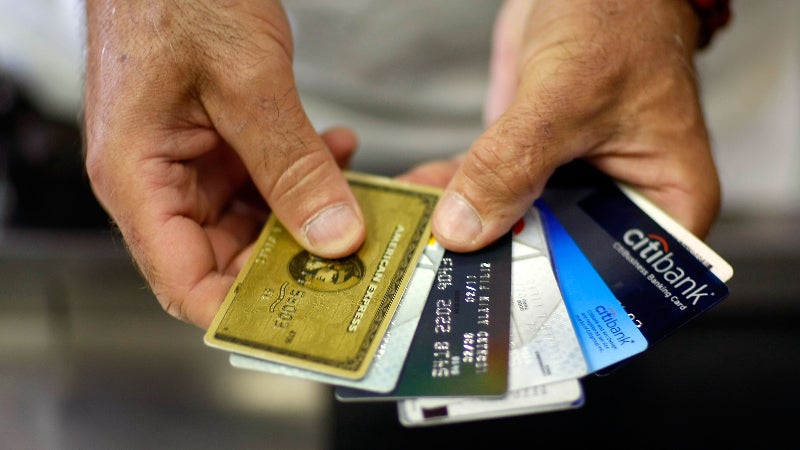
There are a number of reasons you might want to upgrade your current credit card to one with better rewards or extra perks. Asking your current issuer for an upgrade can help simplify the approval process and avoid a hard credit inquiry. It can also keep you from closing your existing account and potentially taking a credit hit.
Maybe you’ve improved your credit with a secured card and are ready to get your security deposit back and move to an unsecured card. Or maybe you chose a lower-tier option in a specific card family, but now you’re ready for a higher-tier card that opens the door to better rewards. It’s also possible to downgrade a card to a simpler version — the process works the same way.
Here are some best practices to keep in mind if you want to upgrade your card with your current issuer.
What to know beforehand
When you ask your issuer to change your current credit card to another card in their product suite, you’ll often get to keep your original account.
This means you can usually avoid the hard credit inquiry — and accompanying temporary ding to your credit score — that comes with applying for a new card. Confirm this with your issuer when you ask about the upgrade.
On the flip side, one of the best perks of applying for and getting a new credit card can be a generous welcome bonus that you earn by meeting a certain spending requirement. Typically, upgrading a product with the same issuer means you won’t get the new card’s welcome bonus. And that cash back, points or miles offer can be worth hundreds of dollars.
Keep in mind:
Your upgrade options with the issuer might be limited. For example, if you have an American Express card that earns Membership Rewards points, you probably can’t switch to an Amex cash back card or co-branded Delta SkyMiles card.
How to upgrade a credit card
Once you’ve decided you want to upgrade to a card with your current issuer, here are a few steps to take:
1. Call your card issuer
The best way to make your request is by contacting your credit card issuer. You can call the phone number on the back of your card or listed below to discuss upgrade options.
Research the card you have in mind beforehand so you can come to the issuer with questions about your eligibility, card terms and conditions and the upgrade process.
Here are the numbers to call for these major card issuers:
- American Express: 1-800-528-2122
- Bank of America: 1-800-732-9194
- Capital One: 1-800-227-4825
- Chase: 1-800-432-3117
- Citi: 1-800-950-5114
- Discover: 1-800-347-2683
- Wells Fargo: 1-800-642-4720
2. Negotiate the new card’s terms
It’s worth asking what other benefits you could score from your issuer.
Since you’re not applying as a new cardholder, some perks might not be offered. But you can ask whether the issuer will add in the regular welcome bonus, waive your annual fee for the first year or extend a higher credit limit. There’s no guarantee, but having a positive history with the card issuer could work in your favor.
3. Upgrade and get your new card
After you’ve considered your options and started the upgrade process, you may get a temporary card after you’re approved to start using online and with a digital wallet. Your new physical card should arrive in the mail within seven to 10 days. Once your new card is activated, your old card will be void.
4. Update your card information
If you have recurring charges like subscriptions or memberships connected to your previous card, you’ll need to update your card information after receiving your new card number.
Just make sure those are still the charges you want on the card to reap the most rewards. For example, another cash back card in your wallet might earn more rewards on a streaming service now than your upgraded card will. It makes sense to allocate your spending based on your card rewards. Or if you have a credit card saved with your favorite airline, make sure it’s your travel card.
How to choose your upgraded card
If you’re itching for a new card, ask yourself whether you want to stay with the same issuer or if there’s a card from a different issuer you’re more interested in. While keeping your accounts under the same issuer is convenient, most issuers make it easy to move money around and pay your balance.
When it comes to the potential upgraded card, take a look at these factors:
- Annual fee: If the card charges an annual fee, compare your regular spending to the card’s rewards and benefits to ensure the annual fee is worth it.
- Rewards: One of the best reasons to upgrade a card you already have is to start earning more rewards. Before you commit to sticking with the same card family, consider whether points and miles or cash back are a better fit for your spending.
- Benefits: On top of rewards, you’ll want to look at the new card’s benefits, which can add value and help offset the annual fee. For example, higher-tier travel cards often come with travel credits, lounge access and more. Cash back cards may offer discounts with partner brands and purchase protection.
- APR: Many credit cards from the same issuer have similar APR ranges. Hopefully, you won’t carry a balance. But just in case, ask your issuer if the new card’s APR will change.
What to do with your old credit card
Once your previous card is void, you can do what you would with any old or expired credit card — cut it up with scissors or use a paper shredder. That way, thieves can’t steal the card number.
If it’s a metal card, the most responsible route is to send it back to the issuer. They should provide you with a return envelope, or you can drop it off at your local branch.
The bottom line
If you have good credit and a positive history with your issuer, upgrading your current card can be simple. Before you start, do the research to find the right card for your spending — and decide whether that’s one you’re eligible to upgrade to.
However, there are a number of issuers and cards to choose from, so you don’t have to limit yourself to staying with the same issuer. Another card’s rewards, benefits and welcome bonus might be a better fit for your spending. Bankrate’s CardMatch™ tool can help you find and get prequalified for the right card for you.
Why we ask for feedback
Your feedback helps us improve our content and services. It takes less than a minute to
complete.
Your responses are anonymous and will only be used for improving our website.
Help us improve our content
Read the full article here


