




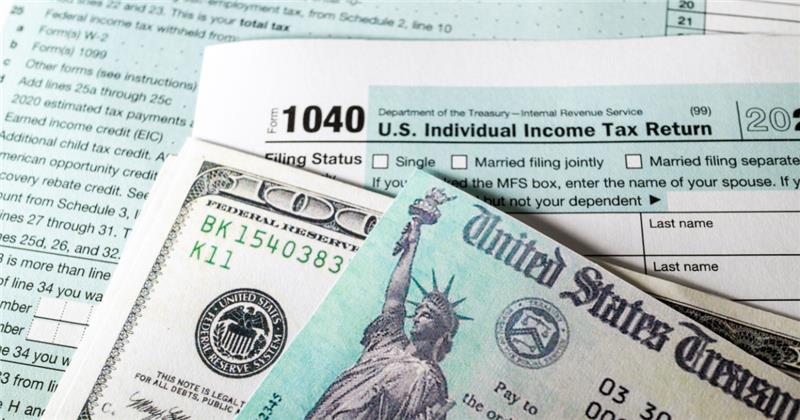
Receiving a tax refund can feel like a sudden financial windfall, an opportunity to breathe easier and recalibrate your budget. While it is tempting to view this check as “extra” money, it is actually a strategic tool. When used wisely, this influx of cash can significantly enhance your long-term financial well-being.
Whether your goal is to eliminate high-interest debt, grow your emergency savings, or invest in money markets, treating your refund as a catalyst for progress rather than a one-time bonus is the key to lasting stability. Let’s look at some smart strategies to maximize your tax refund.
Key Takeaways
- Prioritize high-interest debt: Using your refund to pay down credit card balances (the “Avalanche Method”) provides an immediate, guaranteed return on your money by eliminating future interest charges.
- Balance is key: The smartest way to use your tax refund is to divide it in to buckets. Immediate needs (bills), future goals (savings), and a small, intentional reward to maintain financial motivation.
- Adjust for the future: If your refund is consistently large, adjusting your W-4 withholdings can put more money in your monthly paycheck, allowing for more consistent budgeting throughout the year.
- Focus on additional gain: Beyond just saving, consider using funds to increase your earning potential through certifications or “upskilling” to boost your career trajectory.
8 Smart Strategies to Maximize Your Tax Refund
1. Building a financial safety net
Life is unpredictable. Having a financial cushion can provide significant peace of mind. Experts typically recommend saving three to six months’ worth of living expenses. If you’re not there yet, your tax refund can be a significant step towards achieving this goal. An emergency fund can cover unexpected expenses such as medical bills, car repairs, or even a sudden job loss, ensuring that it doesn’t turn into a high-interest credit card crisis.
2. Reducing Debt: A step towards financial freedom
“Besides catching up on bills, the 2nd most popular thing Americans spent their tax refund on was paying down their debt”, J. Arky, Yahoo Finance.
If you have outstanding debts, particularly those with high interest rates, such as credit card balances, using your tax refund to pay them down can be a wise decision. High-interest debt can quickly snowball, making it difficult to manage over time. By reducing your debt load, you can save money on interest payments and free up cash flow for other expenses or savings goals.
Tip: Consider targeting the debts with the highest interest rates first, often referred to as the avalanche method, to maximize your savings.
3. Investing in future growth
Investing your tax refund can provide long-term benefits that far exceed the immediate gratification of a shopping spree. Contributing to a retirement account, such as a Roth IRA, 401(k) or a future investment for your children on a 529 plan can be a smart move.
These accounts offer tax advantages that can help your money grow more efficiently over time and, “failing to be strategic with these tax-advantaged accounts can cost you in retirement,” according to Ameriprise Financial.
If retirement seems far off, remember that even small contributions can compound significantly over decades, helping you build a more secure future.
4. Home maintenance & ROI
For homeowners, a refund is a perfect “sinking fund” for necessary improvements. Focus on projects that offer a high Return on Investment (ROI), such as energy-efficiency upgrades, kitchen refreshes, or curb appeal enhancements. These don’t just improve your quality of life, they build equity in your largest asset.
5.Upskilling and professional development
If you already have an emergency fund and are caught up on debt payments, continuing education or professional development can be a worthwhile investment for both personal satisfaction and career advancement.
You could your refund to take a course that enhances your skills or helps you pivot into a new career. Whether it’s learning a new language, gaining technical skills, or even pursuing a degree, investing in yourself can increase your earning potential and job satisfaction and personal value.
6. Planning for larger expenses
If you foresee a significant expense in the near future, such as buying a car or taking a family vacation, allocate a portion of your tax refund towards these goals. By planning and saving for these expenses, you can avoid taking on debt when the time comes.
Tip: Create a dedicated savings account for these goals and regularly contribute to it, allowing your refund to get an additional boost to your savings plan.
7. Strategic splurging: Enjoying the present
While it’s wise to focus on saving and planning, it’s also important to enjoy the fruits of your labor. Set aside a small portion of your refund for a treat. Whether it’s a weekend getaway, a nice dinner out, or a new gadget, spending a little on yourself can be rewarding and motivating. The key is to balance enjoyment with responsibility, ensuring that your splurge doesn’t derail your financial goals.
8. Reviewing and adjusting your financial plan
Finally, use your refund as a prompt to revisit your overall financial roadmap. If you find that your debt feels unmanageable even with a refund, it may be time to seek expert guidance. American Consumer Credit Counseling (ACCC) offers non-profit credit counseling and Debt Management Plans (DMPs) that can help you consolidate payments and lower interest rates, turning your refund into the first step of a total financial turnaround.
Conclusion
Your tax refund is more than just a temporary boost to your bank account; it’s a chance to make positive strides in your financial journey. By thoughtfully allocating this money towards saving, reducing debt, investing, or planning for the future, you can enhance your financial security and set yourself up for long-term success. Remember, the best use of your refund will depend on your unique financial situation and goals. With careful consideration and planning, you can use your tax refund to build a brighter, more secure future!
Frequently Asked Questions
Q: Should I always use my tax refund to pay off debt first?
A: Not necessarily. If your debt has high interest rates, paying it down is wise. But if your rates are low and you lack an emergency fund, it might be smarter to build savings first. The best choice depends on your overall financial picture.
Q: How can I make my refund work harder for me?
A: Consider using it to generate future income like as investing in a retirement account, starting a small business, or taking a course that boosts your earning potential.
Q: How can ACCC help if my refund doesn’t cover my debt?
A: ACCC provides a free financial assessment to help you understand your options. If you qualify for a Debt Management Plan, they can work with creditors to reduce your interest rates and monthly payments.
Q: What’s a good way to split my refund?
A: A balanced approach could be: 50% toward financial goals (savings or debt), 30% toward future investments (education or home improvements), and 20% for personal enjoyment. Adjust these percentages based on your priorities.
Q: How can I avoid relying on a refund every year?
A: If you consistently receive large refunds, consider adjusting your tax withholdings. This way, you’ll have more take-home pay throughout the year to save or invest regularly.
Read the full article here


