
THIS POST MAY CONTAIN AFFILIATE LINKS. PLEASE SEE MY DISCLOSURES. FOR MORE INFORMATION.
Saving money doesn’t have to mean living on ramen noodles or giving up everything you enjoy.
In fact, some of the best savings come from making a handful of small changes that barely affect your daily life.
In this guide, I’m sharing 101 creative ways to save money, from quick five-minute wins to bigger strategies that can save you hundreds, or even thousands, of dollars each year.
Some are ideas you’ve probably heard before. Others are simple tricks most people never think to try.
The best part?
You don’t have to use every tip. Pick a few that fit your lifestyle, stack them together, and watch your savings grow faster than you expected.
Let’s get started.
What Is the Best Way to Save Money?

The best way to save money is to pay yourself first.
Instead of trying to save whatever is left at the end of the month, move money into savings as soon as you get paid.
Even if it’s only $10 or $25 per paycheck, building the habit matters more than the amount.
From there, focus on the expenses that have the biggest impact.
Cutting one recurring monthly bill often saves more than clipping dozens of coupons.
Automating your savings, paying off high-interest debt, and avoiding impulse purchases can all dramatically increase how much money you save over time.
The key isn’t finding one perfect trick. It’s combining several small changes that work for your lifestyle.
The 5 Best Ways to Start Saving Money Today
If you’re feeling overwhelmed by a list of 100+ tips, start with these five. They’re simple, effective, and can make a noticeable difference right away.
1. Automate Your Savings
Set up an automatic transfer every payday, even if it’s only $10.
Saving becomes effortless when you remove the temptation to spend first.
2. Cut One Recurring Monthly Bill
Review your subscriptions, streaming services, insurance, internet plan, or phone bill.
Eliminating or reducing just one recurring expense can save hundreds of dollars every year.
3. Create a Simple Spending Plan
You don’t need a complicated budget.
Knowing where your money goes each month makes it much easier to spot expenses you can reduce without sacrificing the things you enjoy.
4. Pay Down High-Interest Debt
Every extra dollar you put toward high-interest debt is money you won’t have to pay in future interest charges.
It’s one of the best guaranteed returns you’ll ever earn.
5. Pick One Savings Challenge
Whether it’s a 52-week challenge, a no-spend challenge, or simply saving every $5 bill you receive, turning saving into a game makes it easier to stick with.
Now, let’s dive into the complete list of creative ways to save money.
101 Creative Ways to Save Money
Build Better Money Habits

#1. Pay Yourself First
One of the biggest mistakes people make is waiting until the end of the month to save whatever money is left over.
The problem is, there usually isn’t any left.
Instead, flip the process.
As soon as you get paid, move money into savings before you pay bills, buy groceries, or spend on anything else.
Even if it’s only $10 or $20 per paycheck, you’re building the habit of saving first instead of hoping you’ll have enough left over later.
When I first started saving, I wasn’t putting away hundreds of dollars each month.
I started with just $10 a month and increased the amount over time.
Looking back, the habit mattered far more than the dollar amount.
Once saving became automatic, increasing the amount was easy.
I was motivated to see my savings balance increase and I turned it into a game to see how much I could save.
If you struggle to save money, this one habit alone can completely change the way you manage your finances.
#2. Automate Your Savings
The less you have to think about saving, the more successful you’ll be.
Set up an automatic transfer from your checking account to your savings account every payday.
Treat it like any other monthly bill.
Once the transfer happens automatically, you stop relying on willpower and remove the temptation to spend the money first.
I also recommend reviewing your automatic transfer once a year.
Every time your income increases, even if it’s just from a small raise, bump your savings by another $10 or $25 per paycheck.
Most people never notice the difference in their spending, but after a few years, those increases add up to thousands of extra dollars.
Automation isn’t exciting, but it’s one of the easiest and most effective ways to save more money.
#3. Create a Simple Spending Plan
Many people avoid budgeting because they picture complicated spreadsheets and tracking every penny.
It doesn’t have to be that difficult.
The goal isn’t to restrict yourself. It’s simply to know where your money is going.
Once you can see your spending clearly, the opportunities to save become obvious.
Start budgeting by looking at the last month or two of your bank and credit card statements.
Highlight anything that surprises you.
Maybe it’s how much you spend eating out, how many small online purchases you’ve made, or how much your monthly subscriptions have grown.
You don’t need a perfect budget to save money.
You simply need a plan that tells your dollars where to go instead of wondering where they went.
#4. Set Savings Goals You Can Actually Reach
It’s hard to stay motivated when your only goal is “save more money.”
Instead, give every dollar a purpose.
Maybe you’re building a $1,000 emergency fund.
Maybe you’re saving for a vacation, a down payment, or paying cash for your next car.
Whatever the goal is, break it into smaller milestones so you can celebrate progress along the way.
For example, if your goal is to save $5,000, don’t focus on the entire amount.
Celebrate when you reach your first $250, then $500, then $1,000.
Small wins create momentum, and momentum makes it much easier to stick with your plan.
The more specific your goal, the more likely you are to reach it.
#5. Create Long-Term Financial Goals
Saving money becomes much easier when you know what you’re working toward.
When I first started taking my finances seriously, I wasn’t just trying to save because someone said I should.
I wanted financial freedom. I wanted the flexibility to make career decisions based on what I wanted to do, not just what paid the bills.
Your goals might look different.
Maybe you want to:
- Retire early
- Travel more
- Help pay for your kids’ college
- Stop living paycheck to paycheck
Write those goals down somewhere you’ll see them regularly.
Then, before making a purchase, ask yourself one simple question: “Does buying this move me closer to my goal, or farther away from it?”
You’ll be surprised how many impulse purchases disappear once you start thinking this way.
#6. Separate Needs From Wants
One of the fastest ways to save more money is learning to recognize the difference between a need and a want.
Housing, groceries, utilities, insurance, and transportation are generally needs.
Eating out three times a week, upgrading your perfectly good phone, or buying another pair of shoes because they’re on sale usually fall into the “want” category.
That doesn’t mean you should eliminate every want from your life.
Spending money on things you genuinely enjoy is part of living a balanced life.
The trick is making sure you’re spending intentionally instead of automatically.
The next time you’re about to buy something, pause and ask yourself if it’s something you truly need or simply something that sounds nice in the moment.
That small habit alone can save hundreds of dollars each year.
#7. Review Your Spending Habits
Sometimes the biggest opportunities to save aren’t large expenses, they’re the little habits you’ve stopped noticing.
Maybe you grab coffee every morning without thinking about it.
Maybe you always stop for a snack when you fill up your car.
Maybe Amazon packages show up on your porch so often that they no longer feel like spending money.
Spend a week paying attention to your routines. Write down purchases as you make them or review your transactions each evening.
You’re not trying to judge yourself. You’re simply looking for patterns.
I think you’ll be surprised by how many habits have quietly become expensive routines over the years.
The good news is that changing just one or two of them can make a noticeable difference in how much money you save every month.
And when you do change one, move some of the money you are not spending into savings!
#8. Spend Money on What You Actually Value
One of the biggest lessons I’ve learned over the years is that saving money isn’t about spending as little as possible.
It’s about spending on the things that actually make your life better.
For me, I’d rather spend money on experiences with my family than constantly upgrade my gadgets.
Someone else might value travel, while another person values hobbies or fitness.
Figure out what genuinely matters to you, then cut back aggressively on the things that don’t.
This approach makes saving much easier because you don’t feel like you’re constantly sacrificing.
You’re simply redirecting your money toward the things that bring you the most happiness.
It also makes the trap of keeping up with others much easier to ignore.
#9. Try a Money-Saving Challenge
If you’ve struggled to save consistently, turn it into a game.
Savings challenges give you a simple goal to follow without having to think about it every day.
You can try a classic 52-week challenge, save a set amount every day, or create your own challenge based on what fits your budget.
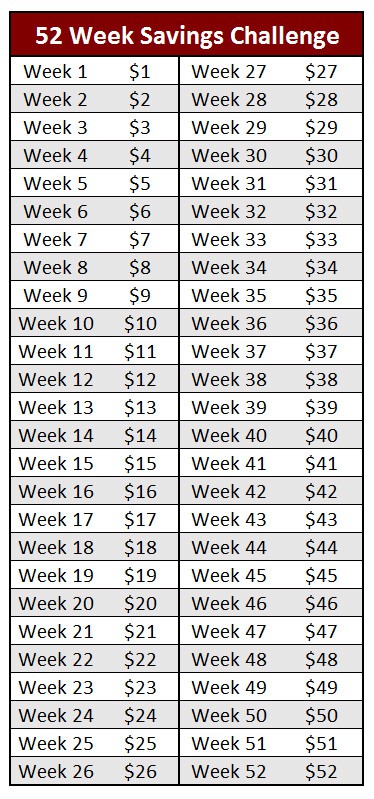
There are countless money saving challenges for you to try.
I’ve found that challenges work especially well because they provide structure and let you see your progress.
Instead of wondering if you’re saving enough, you simply follow the plan.
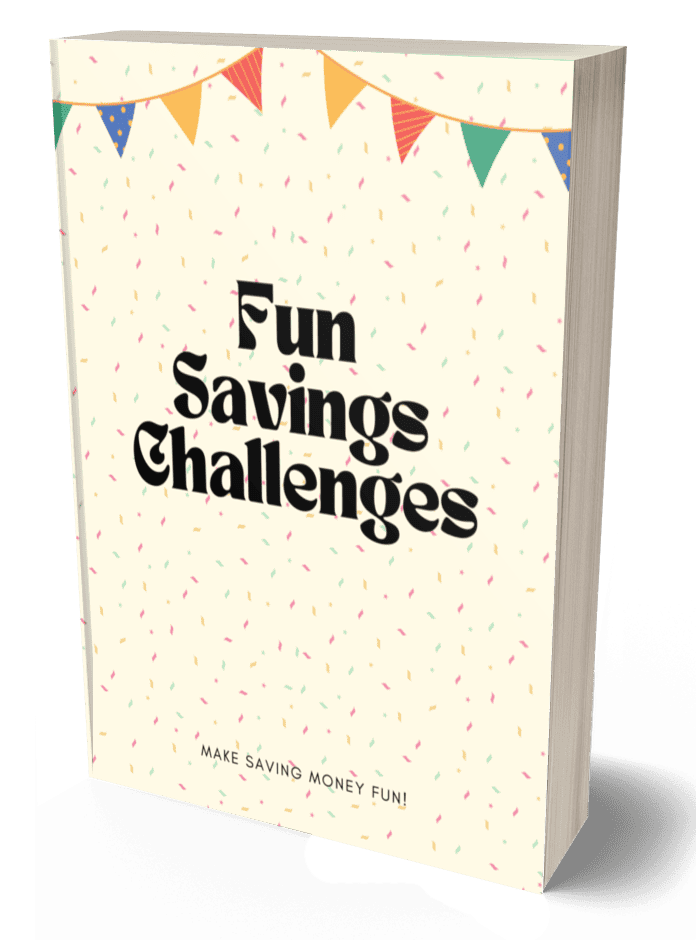
Fun Savings Challenges
Saving money doesn’t have to be boring. Turn it into a game with 20+ fun savings challenges that keep you motivated, build better habits, and help you reach your financial goals faster.
Make Saving Fun
Everyday Money-Saving Strategies
#10. Save Unexpected Money Instead of Spending It

When most people receive a tax refund, work bonus, birthday check, or other unexpected money, their first instinct is to spend it.
Since it wasn’t part of their regular paycheck, it feels like “extra” money.
I challenge you to think about it differently.
Whenever you receive money you weren’t expecting, save at least half of it before you do anything else.
Better yet, save all of it if you can.
Since a tax refund is most likely your biggest windfall, here is how I would treat it:
- Take 70% and put it toward debt.
- Put 20% in your emergency fund or other savings
- Spend 10% however you want.
So if your refund is $2,000 this year, you put $1,400 towards your debt, $400 into savings, and spend $200.
Doing this lets you feel good because you get to spend some money, no questions asked while also getting ahead financially.
#11. Save Part of Every Raise
One of the easiest ways to save more money without feeling like you’re sacrificing anything is to increase your savings every time your income goes up.
When I was working a traditional job, every raise I received came with one simple rule: before I got used to the extra money, I increased my retirement contribution by 1%.
It took less than five minutes to fill out the paperwork, and because I never became accustomed to spending the extra income, I never missed it.
This strategy also helps prevent lifestyle inflation, the tendency to spend more simply because you earn more.
If you save part of every raise and enjoy the rest, you’ll steadily build wealth while still rewarding yourself for your hard work.
#12. Build an Emergency Fund
Unexpected expenses aren’t a matter of if, they’re a matter of when.
Your car will eventually need repairs. Something in your house will break. A medical bill will show up when you least expect it.
An emergency fund keeps these situations from becoming financial disasters.
If you’re just getting started, don’t worry about saving six months of expenses overnight.
Focus on reaching your first $500 or $1,000.
That alone can cover many of life’s smaller emergencies and help you avoid relying on credit cards.
Once you’ve reached that milestone, continue building your emergency fund until you have three to six months of essential living expenses.
Knowing you have money set aside for emergencies doesn’t just improve your finances.
It gives you peace of mind.
#13. Use a High-Yield Savings Account
If your savings account is earning next to nothing, your money is quietly losing purchasing power to inflation.
A high-yield savings account won’t make you rich, but it allows your money to earn significantly more interest while remaining safe and easily accessible.
It’s one of the simplest financial upgrades you can make, and it takes very little effort.
I recommend keeping emergency savings and short-term savings goals in a separate high-yield account rather than your everyday checking account.
It helps your money grow while also reducing the temptation to spend it.
To find the best high yield savings account, check out my savings account comparison page.
#14. Question Every Purchase
Impulse buying is one of the biggest obstacles to saving money.
I’ve found that asking myself a few simple questions before buying something dramatically cuts down on unnecessary spending.
- Do I actually need this?
- Would I rather have this item or make progress toward one of my financial goals?
- If I walk away today, will I still want it tomorrow?
Many purchases lose their appeal after a day or two.
Giving yourself a little time creates just enough distance to separate genuine needs from emotional spending.
I’ve talked myself out of countless purchases simply by waiting until the next day.
In almost every case, I was glad I didn’t buy it.
#15. Wait Before Buying
Retailers are experts at creating urgency.
“Today’s only.” “Limited-time offer.” “Only three left.”
The goal is to get you to make a decision before you’ve had time to think.
Unless you’re buying a necessity, give yourself a waiting period.
It could be 24 hours for smaller purchases, 48 hours for medium-sized purchases, or even a week for larger ones.
If you still want the item after that time has passed and it fits your budget, go ahead and buy it.
More often than not, you’ll realize the excitement has faded, and you’ll happily keep your money instead.
#16. Unsubscribe From Marketing Emails
Companies spend billions of dollars convincing you to buy things you weren’t planning to buy.
One of their favorite tools is your inbox.
You’ve probably received emails announcing a flash sale, a coupon code, or an “exclusive offer” that somehow convinced you to spend money you never intended to spend.
Take ten minutes today and unsubscribe from the retailers you rarely shop with.
Keep emails from stores you genuinely use if they help you save on planned purchases, but remove the constant temptation from everyone else.
You’ll likely spend less simply because you’re no longer being reminded to shop every day.
#17. Spend Less Time on Social Media
Social media doesn’t just consume your time. It constantly encourages you to spend money.
Every scroll introduces another product, another influencer recommendation, or another person showing off a lifestyle that makes your own seem lacking.
It’s easy to convince yourself you need the latest gadget, nicer clothes, or a more expensive vacation when that’s all you see.
I’m not saying you need to delete every social media app.
But if you find yourself buying things because you saw someone else with them, it may be worth limiting your time online.
The less often you’re exposed to advertising and comparison, the easier it becomes to make spending decisions based on your own priorities instead of someone else’s highlight reel.
To make this easier, check out apps like Freedom, AppBlock, and OneSec.
#18. Stay Home More Often
One of the biggest surprises for me was realizing that some of my favorite memories didn’t come from expensive nights out.
They came from simple evenings at home with friends and family.
Years ago, my friends and I started rotating who hosted dinner.
Whoever was hosting would make something simple, and we’d spend the evening talking, playing board games, or watching a movie.
Not only did we save a lot of money compared to going out, but we actually enjoyed ourselves more.
There was no rush, no waiting for a table, and no expensive restaurant bill at the end of the night.
Saving money doesn’t mean giving up your social life. Sometimes it just means changing where you spend it.
#19. Prevent Lifestyle Inflation
One of the biggest reasons people struggle to build wealth isn’t because they don’t earn enough, it’s because they spend more every time they get a raise.
Maybe you upgrade your car, move into a bigger house, or start eating out more often.
None of these decisions seem expensive on their own, but together they quietly absorb every extra dollar you earn.
The next time your income increases, resist the urge to immediately increase your spending.
Instead, put part of that raise toward savings, retirement, or paying off debt before you get used to having the extra money.
It’s perfectly fine to reward yourself for working hard. Just make sure your savings grow along with your paycheck.
#20. Take Advantage of Employee Benefits
Many people never take the time to learn about all of the benefits their employer offers.
Beyond health insurance and retirement plans, many companies provide discounts on cell phone service, travel, gym memberships, entertainment, computers, vehicles, and even local attractions.
Some employers also offer tuition reimbursement, commuter benefits, wellness programs, or matching contributions for charitable donations.
Spend a few minutes reviewing your employee benefits or talking with your HR department.
You may discover discounts that save you hundreds of dollars each year without changing your spending habits.
These benefits are part of your compensation package, so don’t let them go to waste.
Lower Your Monthly Bills
#21. Rotate Your Streaming Services
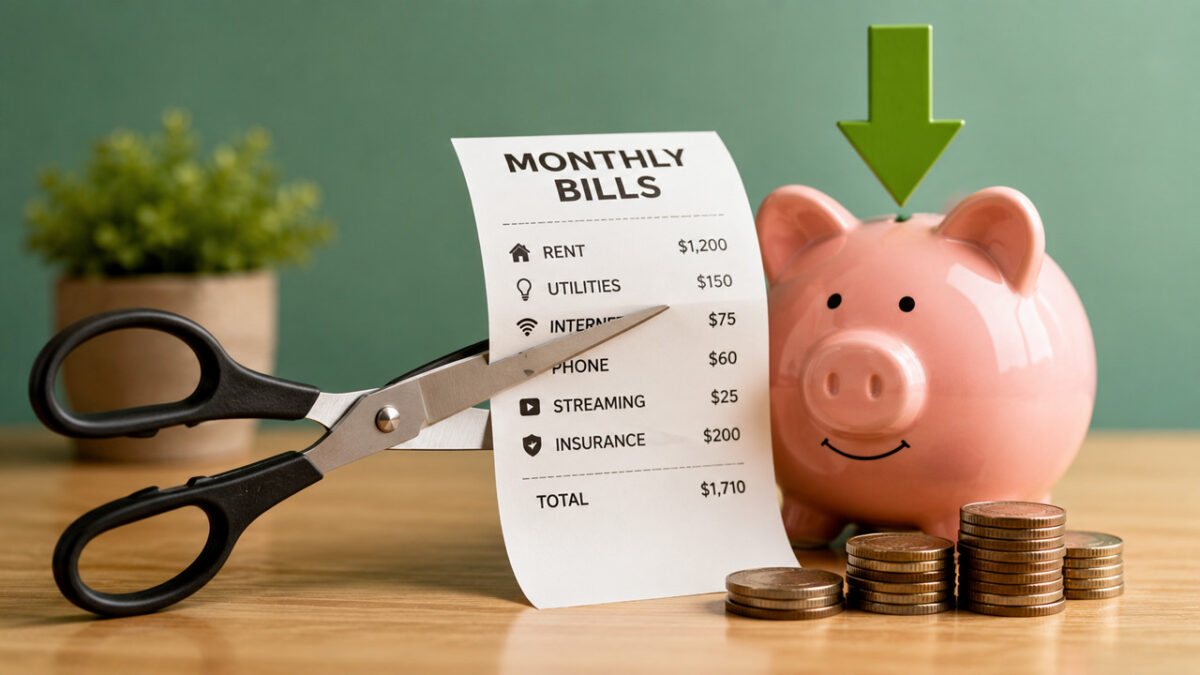
Streaming was supposed to save us money after we canceled cable. Instead, many households now pay for;
- Netflix
- Disney+
- Max
- Hulu
- Peacock
- Paramount+
- Apple TV+
- Amazon Prime Video
- And more…
Take a look at what you’re paying for each month. Ask yourself how often you actually watch each service.
Instead of subscribing to everything year-round, try rotating them.
Watch everything you want on one service over a month or two, then cancel it and switch to another.
Most streaming services make it easy to restart your subscription whenever you’re ready.
You’ll still get to watch the shows you enjoy, but you’ll likely cut your entertainment bill in half.
And here is a bonus tip: many services offer incredible deals around Black Friday/Christmas.
I routinely renew during this time for the next year and save 50-75% off the regular annual price.
Finally, if you are worried about not having anything to watch after canceling some services, check out the many free streaming sites to watch movies and TV shows.
#22. Review Every Recurring Bill Once a Year
Many companies count on one thing: your inertia.
Insurance premiums quietly increase. Internet bills creep up. Cell phone plans get more expensive.
Streaming services raise prices by a dollar or two here and there until you’re paying much more than you originally signed up for.
I schedule one afternoon each year to review every recurring bill. I compare prices, look for promotions, and call companies if necessary.
Even if you only save $20 per month across all your bills, that’s $240 every year for just a couple hours of work.
Set a reminder on your calendar so it becomes an annual habit instead of something you always mean to do “later.”
#23. Negotiate Your Bills
Many people never realize that monthly bills are often negotiable.
Cable, internet, cell phone service, and even some medical bills may have room for discounts if you simply ask.
Be polite, explain that you’re comparing competitors, and ask if there are any promotions or loyalty discounts available.
You don’t always have to threaten to cancel.
Sometimes simply asking, “Is this the best price you can offer?” is enough to uncover savings you didn’t know existed.
But here is a trick I found to save you more money: never agree to the first discount they offer.
Simply say, “do you have anything else?”
Many times they have other promos that are better deals.
They just offer the least best discounts first, hoping you will bite.
The worst outcome is they say no. The best outcome is you lower a bill you were already paying anyway.
#24. Shop Your Insurance Every Renewal
Insurance companies know most people don’t switch providers.
So they increase your price by a little bit each year.
As with many other companies, loyalty doesn’t save you money. Being a new customer does.
Every time your policy renews, compare quotes from multiple companies using the same coverage limits and deductibles.
Don’t just compare the monthly premium. Make sure you’re looking at equivalent policies.
I’ve saved anywhere from $500 up to $1,000 a year by switching.
It does take some time to compare, but the savings are worth it.
If this tip interests you, here is a guide I created to help you save money on car insurance.
Alternatively, you can check out my car insurance quote comparison to help you get started with finding some savings!

Car Insurance Quotes Comparison
If you haven’t shopped for auto insurance in the last two years, you are probably overpaying – sometimes by hundreds of dollars per year. Take 10 minutes to get free quotes and put money back into your pocket. Many people save $500 a year or more!
Save Now!
#25. Bundle Insurance Policies
If you own a home and a vehicle, or have multiple insurance policies, it pays to ask about bundling.
Many insurance companies offer discounts when you combine homeowners, renters, auto, umbrella, or other policies under one provider.
Bundling isn’t always the cheapest option, so compare the bundled price against separate quotes from other companies.
But it’s often worth checking because the savings can be significant, especially if you’ve never asked before.
This is another task that only takes a few minutes but could save you hundreds of dollars each year.
#26. Lower Your Heating and Cooling Costs
Heating and air conditioning usually account for the largest portion of a home’s energy bill.
Fortunately, you don’t need to make dramatic changes to lower those costs.
In the winter, try lowering your thermostat by a degree or two and wear a sweatshirt or use a blanket until you get used to the new temperature.
During the summer, raise the temperature slightly when you’re away from home.
Also look for easy improvements like:
- Replacing weather stripping around doors
- Sealing drafts around windows
- Changing your HVAC filter regularly
These small changes help your system work more efficiently and cost very little to implement.
Most people won’t notice a one- or two-degree difference in temperature, but they’ll certainly notice the savings over an entire season.
#27. Reduce Your Electricity Bill
There are dozens of ways to lower your electric bill, but you don’t need to do all of them to see results.
Start with the easy wins.
Replace frequently used bulbs with LEDs.
Unplug electronics you rarely use or plug them into a smart power strip to eliminate phantom power.
If your utility company offers a free home energy audit, take advantage of it.
They often identify simple improvements that pay for themselves quickly.
When I got our free energy audit, not only did it give me a plan for things to do to lower our costs, but they gave me some free LED bulbs and coupons for savings on other products.
I know this can feel overwhelming, so start small.
Replace the lights in the rooms you frequent most.
Pay attention to the weather and turn off your air conditioner or heat when temperatures are mild.
For most people, their HVAC unit is the biggest user of electric.
If you can do these things, you will see your electric bill drop without changing your lifestyle.
#28. Lower Your Water Bill
Water is one of those expenses that’s easy to overlook because it usually isn’t as expensive as electricity or housing.
But over time, small changes can still add up.
Fix dripping faucets, repair running toilets, and install low-flow showerheads if you have older fixtures.
Run full loads in your dishwasher and washing machine whenever possible instead of several smaller loads.
If you water your lawn, do it early in the morning or later in the evening to reduce evaporation.
None of these changes are difficult, but together they can noticeably reduce your water usage over the course of a year.
#29. Challenge Your Property Tax Assessment
Most homeowners assume their property tax bill is set in stone.
It isn’t.
If your home has been assessed for more than it’s actually worth, you may be paying more in property taxes than necessary.
This is something I experienced myself.
After buying our home, our realtor pointed out that our assessment seemed unusually high compared to similar homes nearby.
We hired an attorney who specialized in property tax appeals.
They handled almost everything, and our assessment was reduced enough to save us about $1,200 per year.
The best part is this savings continues every year.
When our taxes go up, the increase is smaller since our assessment is lower.
When I recently looked at our annual tax bill, it is now where it was when we moved in, 10 years later.
It’s worth checking your local assessment, especially if home values in your neighborhood have changed or your property seems overvalued compared to similar homes.
Simply reaching out to a real estate attorney is free and they will only appeal if they are confident they can reduce your taxes.
Shop Smarter
#30. Buy Quality Instead of the Cheapest Option

Buying the cheapest version of something often feels like you’re saving money, but in many cases, you’re actually spending more.
Years ago, when I bought my first house, I furnished it on a tight budget.
I grabbed the least expensive bath mats I could find, figuring they were all basically the same.
Within a few months, they were falling apart after just a handful of washes, and I had to replace them.
I eventually bought a better-quality set that lasted for years.
The same thing happened with T-shirts.
I was buying $3 shirts because I thought I was getting a great deal.
A few months later, they were stretched out, faded, or full of holes.
I switched to higher-quality shirts that cost more upfront, but they lasted years instead of months.
Instead of asking, “What’s the cheapest option?” ask yourself, “Which option will cost me the least over the next five years?”
Buying quality isn’t about spending more, it’s about replacing things less often.
#31. Always Shop with a List
Walking into a store without a list is one of the easiest ways to overspend.
In fact, a recent study showed that close to 50% of people who shop with a list spend less money.
Another study showed that shopping with a list is tied to a healthier diet, which save money on healthcare costs.
Stores are carefully designed to encourage impulse purchases.
End-cap displays, checkout items, seasonal promotions, and strategically placed products all exist to convince you to buy things you didn’t intend to purchase.
A shopping list keeps you focused.
And I’m not just talking about groceries.
Make a list before going to the hardware store, Costco, Target, Walmart, or even shopping online.
I keep a running shopping list in my phone throughout the week.
When it’s time to shop, I already know exactly what I need, and I’m much less likely to wander the aisles looking for ideas.
The fewer decisions you make while shopping, the less likely you are to overspend.
#32. Buy Items on Sale
There’s a big difference between saving money and spending less than full price.
A 40% discount on something you didn’t need isn’t saving money. It’s still spending money.
Instead, keep a list of items you know you’ll eventually need.
When one of those items goes on sale, that’s when you buy.
This strategy works especially well for clothing, household supplies, paper products, toiletries, and pantry items that don’t expire quickly.
Over time, you’ll stop paying full price for many of the things you were already planning to buy.
#33. Compare Prices Before You Buy
It only takes a couple of minutes to compare prices, but those few minutes can save you a surprising amount of money.
Before making a larger purchase, check several retailers, look for coupon codes, and compare shipping costs.
You might also find the exact same product available refurbished or open-box for a significant discount.
Price comparison has never been easier, yet many people still buy from the first website they visit.
The larger the purchase, the more valuable those extra few minutes become.
#34. Don’t Be Afraid to Ask for a Discount
One of the easiest ways to save money is simply asking.
It feels uncomfortable the first few times, but you’d be surprised how often businesses have flexibility on price.
Furniture stores, appliance stores, independent retailers, contractors, hotels, and even some medical offices may offer discounts if you ask politely.
I’ve found that I don’t always get a discount, but I get one often enough that it’s worth asking every time.
Even saving 5% or 10% on larger purchases adds up quickly over the course of a year.
The worst they can say is no.
And do you know what I do with the money I saved? I put it into savings.
So if I saved $10 by asking for a discount, I don’t just let that $10 sit in my checking account, waiting to be spent.
I act like I spent it by moving it to savings.
It’s a simple trick that can quickly boost your savings.
#35. Use Rewards Programs Strategically
If a store you already shop at offers a free rewards program, sign up.
The important word is free.
Many grocery stores, pharmacies, home improvement stores, and retailers offer discounts, digital coupons, or cash-back rewards simply for being a member.
Just don’t let the rewards program become a reason to spend more money.
The goal isn’t to earn points. The goal is to lower the cost of purchases you were already planning to make.
#36. Use Cash Back Shopping Sites
If you’re shopping online anyway, don’t leave free money on the table.
Cash back shopping sites like Rakuten and Swagbucks pay you a percentage of your purchase simply for clicking through their website before you shop.
It only takes a few extra seconds, and you’ll earn cash back on purchases you were already planning to make.
The savings can be surprisingly large during the holidays and special promotions.
While many stores offer 2% to 10% cash back throughout the year, it’s not uncommon to see rates jump to 15%, 20%, or even 25% during major shopping events.
This includes when Amazon runs its Prime Days.
I’ve been using these sites for years, especially when buying Christmas gifts.
Between holiday promotions and everyday purchases, I’ve earned a few hundred dollars back over the years.
One of my biggest wins came when I bought a laptop during a special promotion and received more than $200 in cash back.
Just remember that cash back isn’t a reason to buy something you don’t need.
But if you’re already planning to make the purchase, spending a few extra seconds clicking through a cash back portal is one of the easiest ways to save money.
#37. Shop Your Home First
Before buying something new, take a few minutes to see if you already own it.
Most of us have partially used cleaning supplies, forgotten gift cards, extra office supplies, duplicate tools, or unopened toiletries sitting around the house.
The same goes for your pantry and freezer.
You may have enough ingredients to make several meals without going to the grocery store.
Whenever we’re trying to cut back on spending, one of the first things my family does is challenge ourselves to use what we already have before buying more.
It’s amazing how often the solution is already sitting in a cabinet or closet.
#38. Declutter Your House
Most people have hundreds, if not thousands, of dollars’ worth of unused items sitting around their home.
Take a weekend and go room by room.
If you haven’t used something in years and it’s still in good condition, consider selling it.
Facebook Marketplace, local buy-and-sell groups, and online marketplaces make it easier than ever to turn unused items into cash.
Use that cash to pay down debt or boost your savings.
If an item isn’t worth selling, donate it, and then write the donation off to lower your taxes.
Decluttering does more than free up space.
It also reminds you how much money you’ve spent on things you no longer use.
That realization alone can change the way you shop in the future.
Here is a great guide of the best things to sell around your house.
#39. Borrow Before You Buy
Not everything needs to be owned.
If you’re tackling a one-time home improvement project, do you really need to buy a specialty tool you’ll probably never use again?
Before making a purchase, see if you can borrow it from a friend, family member, neighbor, or local tool library.
The same idea applies to party supplies, camping gear, pressure washers, ladders, and dozens of other items people only use occasionally.
Buying used is another great option when borrowing isn’t possible.
Ownership is expensive. Access is often much cheaper.
#40. Maximize Memberships You Already Pay For
Many people pay for memberships but never use all of the benefits that come with them.
Amazon Prime isn’t just free shipping.
Depending on your membership, you may also have access to Prime Video, Prime Reading, Amazon Music, cloud photo storage, and exclusive discounts.
Warehouse clubs often include discounted gift cards, cheaper prescriptions, travel discounts, and reduced gas prices.
AAA members receive discounts on hotels, attractions, rental cars, and many local businesses.
Before signing up for another service, take a closer look at the memberships you already have.
You might discover benefits you’re paying for but never using.
#41. Remove Saved Payment Methods
Online shopping has never been easier.
In fact, it’s almost too easy.
Many websites store your credit card information so you can complete a purchase with a single click.
While it’s convenient, it also makes impulse buying much more likely.
Take a few minutes to remove your saved payment information from your favorite shopping websites and apps.
Having to walk across the room to grab your wallet gives you a few extra seconds to think about whether you really need what you’re about to buy.
Sometimes that’s all it takes to stop an unnecessary purchase.
#42. Remove Shopping Apps From Your Phone
If your phone is full of shopping apps, you’re carrying around a mall in your pocket.
Every notification about a flash sale or limited-time offer is another temptation to spend money.
Ask yourself how often you actually use those apps.
If the answer is “once in a while,” delete them.
You can always visit the website if you truly need something.
By removing easy access, you’ll likely find yourself making fewer impulse purchases and spending less overall.
And at the very least, consider turning off notifications so you aren’t alerted to “sales” intended to get you to impulse spend.
#43. Buy Refurbished When It Makes Sense
Not everything has to be brand new.
Many electronics, appliances, and tools are available as refurbished or open-box items for significantly less than the original price.
In many cases, they look and perform just like new.
I’ve purchased refurbished items over the years and have been pleasantly surprised by both the condition and the savings.
Just make sure you’re buying from a reputable retailer that includes a warranty or return policy.
When you do, buying refurbished can be an easy way to stretch your money further.
Save Money on Food and Groceries
#44. Plan Your Meals Before You Shop

One of the easiest ways to waste money at the grocery store is walking in without a plan.
Before you leave the house, decide what meals you’ll make for the week and write down every ingredient you need.
Then check your pantry, refrigerator, and freezer to see what you already have.
Meal planning helps in three ways:
- You buy fewer unnecessary items
- You waste less food because everything has a purpose
- You’re much less tempted to order takeout because dinner is already planned
It doesn’t have to be complicated either.
Even planning four or five dinners each week can make a noticeable difference in your grocery bill.
#45. Build Your Grocery List Around the Weekly Sales
Instead of deciding what you want to eat and then paying whatever the grocery store charges, reverse the process.
Start by looking at your store’s weekly sales flyer.
If chicken is on sale, build a few meals around chicken. If pasta or frozen vegetables are deeply discounted, stock up while prices are low.
After you’ve done this for a few months, you’ll start to notice that many sales follow predictable cycles.
That makes it much easier to know when to buy extra and when to wait.
After doing this for a few weeks, I came home one day with an entire cart full of groceries that would have cost well over $100 for around $30 because nearly everything I needed was either buy-one-get-one-free or deeply discounted.
My wife couldn’t believe how much food I brought home for so little.
Buying what’s on sale instead of insisting on a specific brand or meal can dramatically reduce your grocery bill over time.
#46. Buy More When Prices Are Low
Some sales are too good to ignore.
If an item you regularly use is heavily discounted and has a long shelf life, buy enough to last until the next sale.
This strategy works well for canned goods, pasta, rice, paper products, toiletries, frozen foods, coffee, and many household supplies.
The key is only stocking up on things you know you’ll actually use.
Buying ten jars of a sauce your family doesn’t like isn’t saving money, it’s wasting it.
Think of your pantry as a small store.
The more often you buy items at their lowest price, the less often you’ll be forced to pay full price.
#47. Shop Generic Brands First
Many store-brand products are made in the same factories as national brands, yet cost significantly less.
That doesn’t mean every generic product is better, but it’s worth giving them a try before automatically reaching for the name brand.
Start with pantry staples like flour, sugar, canned vegetables, pasta, spices, and cleaning products.
If you notice no difference, you’ve found an easy way to lower your grocery bill every month.
Save the premium brands for the products where taste or quality genuinely matters to you.
#48. Stop Buying Food You Throw Away
Food waste quietly drains hundreds of dollars from many family budgets every year.
According to one study, a family of four averages close to $3,000 a year in food waste!
Pay attention to what gets thrown away most often in your house.
Is it bagged salad that spoils before you eat it? Produce you bought with good intentions? Leftovers that disappear into the back of the refrigerator?
Once you identify the pattern, adjust your shopping.
Buy smaller quantities, freeze extra portions, or plan meals that intentionally use leftovers before they spoil.
The cheapest food you’ll ever buy is the food you actually eat.
#49. Pack Your Lunch More Often
Buying lunch every workday doesn’t seem expensive until you do the math.
Even spending $12 a day adds up to more than $3,000 a year if you’re buying lunch five days a week.
You don’t have to pack lunch every single day to save a meaningful amount.
Even bringing lunch two or three times a week can save hundreds of dollars over the course of a year.
One of the easiest ways to make this habit stick is cooking a little extra at dinner and packing the leftovers before you even sit down to eat.
The next day’s lunch is already taken care of.
#50. Buy Used First
Before paying full price for something new, spend a few minutes looking for a used version.
Furniture, tools, sporting equipment, bicycles, baby gear, and even lawn equipment can often be found in excellent condition for a fraction of the original cost.
Many people buy these items with good intentions only to use them a handful of times before selling them.
Whenever I’m considering a larger purchase, I make it a habit to check Facebook Marketplace and other local listings first.
Even if I don’t buy used every time, I’ve saved hundreds of dollars simply by looking before heading to the store.
#51. Compare Unit Prices
When grocery shopping, don’t assume the larger package is always the better deal.
Instead of looking only at the price on the shelf, compare the unit price, which tells you the cost per ounce, pound, or other unit of measurement.
Most grocery stores display this information on the price tag below the product.
I’ve found plenty of situations where the smaller package actually had the lower unit price, while the larger size cost more per ounce.
Taking a few extra seconds to compare unit prices helps ensure you’re getting the best value instead of simply buying the biggest package.
Sometimes, companies will try to trick you because so many people think buying in bulk always saves you money.
#52. Bring Your Own Snacks and Drinks
Running errands has a way of making you hungry.
That’s when it’s easy to spend $4 on a coffee, $3 on a soda, or $10 at a drive-thru because you’re hungry and convenience wins.
Whenever we’re going to be out for several hours, we throw a few bottles of water and some snacks in the car before leaving the house.
Nuts, granola bars, fruit, crackers, and trail mix travel well and cost a fraction of what you’ll pay at a convenience store.
It seems like a small habit, but if it helps you avoid just one fast-food stop each week, the savings add up surprisingly fast.
#53. Eat Out More Intentionally
There’s nothing wrong with eating at restaurants.
The goal is simply to get more value when you do.
Instead of automatically going out for dinner on Friday or Saturday night, consider eating lunch instead, when many restaurants offer the same food at lower prices.
Other ideas include:
- Take advantage of happy hour specials if they’re available.
- Split large portions that you know you won’t finish.
- Skip appetizers and drinks if they don’t add much to the experience.
My wife and I often split meals because restaurant portions have become so large.
Not only do we spend less, but neither of us walks away feeling like we ate far too much.
Eating out should feel like a treat, not something you regret after looking at your credit card statement.
#54. Drink More Water
One of the simplest ways to lower your food budget is to stop paying for beverages everywhere you go.
Whether it’s soda, bottled water at convenience stores, or specialty coffee drinks, these purchases often become daily habits that quietly consume hundreds or even thousands of dollars each year.
Carry a reusable water bottle with you whenever possible and refill it throughout the day.
It’s a small habit that saves money, is usually healthier, and reduces impulse stops when you’re out running errands.
#55. Use Your Freezer
Your freezer can be one of the best money-saving tools in your kitchen.
Whenever meat, vegetables, bread, or other foods go on sale, buy a little extra and freeze what you won’t use right away.
You can also freeze leftovers instead of letting them spoil in the refrigerator.
We’ve gotten into the habit of freezing extra portions after dinner.
On busy nights, instead of ordering takeout, we simply pull out a homemade meal that is already prepared.
Not only does this reduce food waste, but it also saves time and money.
#56. Buy in Bulk When It Makes Sense
Buying in bulk can be a great way to save money, but only if you’ll actually use what you buy.
Warehouse clubs like Costco and Sam’s Club often have excellent prices on paper products, toiletries, cleaning supplies, canned goods, and other non-perishable items.
Buying these products in larger quantities usually lowers the cost per unit and reduces how often you need to shop.
The key is to avoid buying something just because it’s a good deal. If the food expires before you eat it or you end up throwing part of it away, you didn’t save money at all.
Before buying in bulk, ask yourself one simple question: “Will I use all of this before it goes bad?”
If the answer is yes, stock up while the price is low.
#57. Cook Larger Meals
Cooking every night can be time-consuming, and it’s one of the reasons many people end up ordering takeout.
Instead, make extra food when you cook.
Whenever we make chili, soup, casseroles, or pasta dishes, we intentionally make enough for another meal or two.
Sometimes we’ll eat the leftovers for lunch the next day.
Other times we’ll freeze them for a busy weeknight when no one feels like cooking.
Not only does this save money, but it also saves time. Having a homemade meal ready to go makes it much easier to skip expensive takeout when life gets busy.
#58. Grow Some of Your Own Food
You don’t need a huge garden to lower your grocery bill.
Even growing a few herbs, tomatoes, peppers, lettuce, or cucumbers can save money during the growing season.
If you have the space, a small vegetable garden can produce far more food than most people realize.
I know several people who grow enough tomatoes each summer to enjoy fresh ones for months and still have enough left over to make salsa or pasta sauce or freeze for later.
Gardening won’t replace your grocery store, but it’s an enjoyable hobby that can help reduce food costs while giving you fresher produce at the same time.
Save Money on Transportation
#59. Buy Cars You Can Afford

One of the biggest financial mistakes people make is shopping based on the monthly payment instead of the total cost of the vehicle.
Car dealerships know exactly how to make an expensive car feel affordable.
They simply stretch the loan out another year or two.
Instead of asking, “Can I afford the monthly payment?” ask yourself, “Can I comfortably afford the total cost of this car?”
Remember, the purchase price is only the beginning.
You’ll also pay for insurance, maintenance, repairs, registration, fuel, and depreciation.
Driving a slightly less expensive vehicle can free up hundreds of dollars every month that can be invested, used to pay off debt, or saved for future goals.
While many people believe having a car payment is part of life, it really isn’t.
You can easily own a car and never have a car payment.
#60. Keep Your Current Car Longer
The cheapest car you’ll ever own is usually the one sitting in your driveway.
Many people replace vehicles simply because they’re bored or because something new caught their eye.
But every time you trade in a perfectly reliable car, you restart the cycle of depreciation and often take on another monthly payment.
Modern vehicles routinely last well over 200,000 miles with proper maintenance.
If your current car is reliable and the repair costs are still reasonable, keeping it for a few extra years is one of the smartest financial decisions you can make.
Always look at cars as transportation first and status symbols second.
That mindset alone can save tens of thousands of dollars over your lifetime.
#61. Stay on Top of Maintenance
Skipping routine maintenance rarely saves money, it usually delays a much larger repair.
Regular oil changes, tire rotations, brake inspections, air filters, and fluid checks all help prevent expensive breakdowns later.
Think of maintenance as protecting an investment rather than spending money.
A few hundred dollars each year on preventive maintenance is much cheaper than replacing an engine or transmission because a small issue was ignored.
#62. Drive More Efficiently
Aggressive driving doesn’t just increase your risk of an accident, it also burns more fuel.
Rapid acceleration, hard braking, and speeding all reduce your gas mileage.
Most of us have experienced the driver who races around everyone on the highway only to end up sitting at the same red light a few minutes later.
They used more gas without actually getting anywhere faster.
Driving a little more smoothly won’t turn your car into a hybrid, but over the course of a year it can noticeably reduce your fuel costs while putting less wear on your vehicle.
#63. Keep Your Tires Properly Inflated
Proper tire pressure improves gas mileage, helps your tires wear more evenly, and makes your vehicle safer to drive.
Many people wait until their tire pressure warning light comes on, but by then the tires are often significantly underinflated.
Make it a habit to check your tire pressure every few weeks, especially when temperatures change.
It’s a simple five-minute task that can improve fuel economy and extend the life of a set of tires that may cost hundreds of dollars to replace.
#64. Remove Unnecessary Weight From Your Car
If your trunk has turned into a storage unit, you’re carrying around extra weight that costs you money every time you drive.
Sports equipment, tools, boxes, and other heavy items all reduce fuel economy, even if only slightly.
Cleaning out your vehicle also has another benefit that many people overlook.
In the event of an accident, anything that isn’t secured can become a dangerous projectile inside the car.
A cleaner vehicle is not only more efficient, it’s also safer.
#65. Don’t Let Your Car Idle
Many people start their car and let it idle for several minutes before driving, especially during the winter.
The truth is, modern vehicles don’t need to warm up nearly as long as older cars did.
In most cases, about 30 seconds is enough time for the oil to begin circulating through the engine.
After that, simply drive gently for the first few minutes while the engine reaches operating temperature.
Letting your car sit and idle for 10 or 15 minutes every morning wastes fuel without providing much benefit.
Over the course of a winter, those extra minutes can add up to several tanks of gas.
Not only will you save money at the pump, but you’ll also reduce unnecessary wear on your engine.
#66. Combine Your Errands
Every time you start your car, you’re spending money.
Instead of making several small trips throughout the week, try combining your errands into one outing.
For example, if you’re already heading to the grocery store, see if you can also stop at the bank, post office, pharmacy, or hardware store while you’re out.
Planning your route ahead of time helps you drive fewer miles and spend less on gas.
I try to make a list of everything I need to do before leaving the house.
It only takes a few extra minutes to plan, but it saves both time and money by eliminating unnecessary trips.
#67. Take Advantage of Gas Rewards Programs
If you’re going to buy gas anyway, you might as well earn a discount.
Many grocery stores, warehouse clubs, and gas stations offer rewards programs that let you save money on fuel simply by shopping as you normally would.
My favorite is Upside.

Upside | Earn Cash Back on Gas & Restuarants
Upside is the #1 app for earning cash back on gas. Receive a $5 cash back bonus on your first $10 minimum qualified order. Be sure to use the promo code MONEYSMART to get this bonus. And when you dine out, be sure to use Upside and get up to 25% cash back on your bill.
Start Saving
We earn a commission if you make a purchase, at no additional cost to you.
Some credit cards also offer cash back on gas purchases, helping you save even more.
The savings on any single fill-up may not seem like much, but they add up over the course of a year, especially if you have a long commute or multiple drivers in your household.
Just remember not to spend extra money chasing rewards. The goal is to earn discounts on purchases you were already planning to make.
#68. Walk or Bike Short Trips
If you’re only traveling a mile or two, consider leaving the car in the driveway.
Walking or riding your bike saves gas, reduces wear and tear on your vehicle, and gives you a little extra exercise at the same time.
Obviously, this isn’t practical for every trip, but if you’re heading to a nearby park, convenience store, or friend’s house, it may be easier than you think.
Small changes like this won’t make you rich overnight, but they’re another example of how little habits can add up over time.
Save Money Around the House
#69. Learn Basic DIY Skills
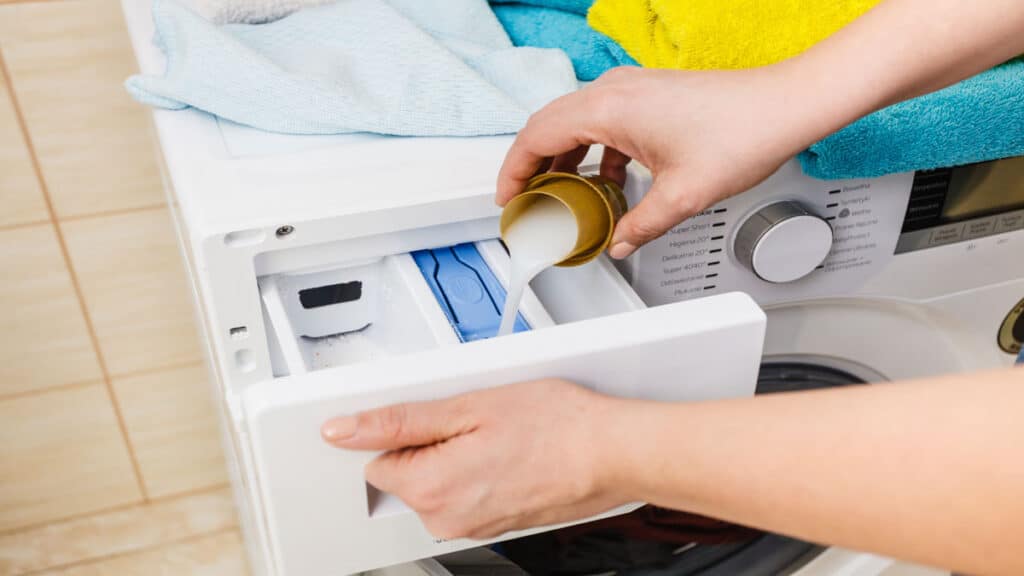
Not every repair requires hiring a professional.
Thanks to YouTube and countless online tutorials, it’s easier than ever to learn how to fix common household problems yourself.
Over the years, I’ve replaced toilets, repaired a screen door, installed attic access stairs, painted rooms, and tackled dozens of other projects simply by researching them first.
That’s not to say you should attempt every repair.
Electrical work, structural issues, and other specialized projects are often best left to professionals.
But before automatically calling someone, spend a few minutes researching whether it’s something you can safely handle yourself.
Even learning a handful of basic home maintenance skills can save thousands of dollars over the years.
#70. Repair Before You Replace
We’re conditioned to replace things as soon as they stop working.
Sometimes that’s the right decision.
Often it isn’t.
A loose chair, broken appliance, torn screen, or leaky faucet can frequently be repaired for a fraction of the cost of buying new.
Whenever something breaks, ask yourself one question: “Is this actually broken, or does it simply need a repair?”
You’ll be surprised how often a relatively inexpensive fix gives something several more years of useful life.
#71. Declutter Before Buying More Storage
When people run out of space, the first instinct is often to buy more storage bins, shelving, cabinets, or even rent a storage unit.
A better solution is usually getting rid of things you no longer need.
Every item you own requires space to store, time to maintain, and money to replace if it’s damaged.
The less clutter you have, the less likely you’ll feel the need to organize or store things you rarely use.
Sometimes the cheapest storage solution is simply owning less.
And here is a bonus: before you get ride of stuff, take a long hard look at it.
While there are some things in there you got good use out of, a lot of it is probably stuff you bought and never used.
As you look at it, think about how you life could be different if you had the money instead.
Maybe you wouldn’t be in debt. Maybe you would have a fully funded emergency fund.
The goal isn’t to feel bad, it is to learn a lesson to be smarter with your money moving forward.
#72. Perform Preventive Maintenance
One of the cheapest repairs you’ll ever make is the one you never have to make.
Simple tasks like cleaning your gutters, replacing furnace filters, servicing your HVAC system, and checking your roof for damaged shingles can prevent much larger problems down the road.
I try to spend a few weekends each year taking care of these small jobs before they become expensive repairs.
Preventive maintenance may not be exciting, but it almost always costs less than fixing something after it breaks.
Get Out of Debt Faster & Build Wealth
#73. Focus on High-Interest Debt First

If you’re carrying high-interest debt, especially credit card debt, paying it off is one of the best financial moves you can make.
Think about it this way. If your credit card charges 24% interest, paying off that balance gives you a guaranteed 24% return on your money.
It’s difficult to find another investment with that kind of risk-free return.
Instead of spreading extra payments across all of your debts, choose one and attack it aggressively while making the minimum payment on everything else.
As each balance disappears, you’ll free up more money every month that can go toward savings instead of interest charges.
#74. Pick a Debt Payoff Strategy
Most people give up on paying off debt because they don’t have a plan.
Two strategies work especially well.
The Debt Snowball Method focuses on paying off your smallest balance first. Each victory builds momentum and keeps you motivated.
The Debt Avalanche Method focuses on paying off the debt with the highest interest rate first. It usually saves the most money over time.
Neither method is wrong.
The important thing is choosing one and sticking with it.
I wrote a detailed comparison, debt snowball vs. debt avalanche to help you decide.
Personally, I think most people are more successful with the debt snowball because motivation matters just as much as math.
Watching balances disappear keeps you engaged long enough to reach the finish line.

Ready to Finally Get Out of Debt?
Reading about debt is a great first step, but lasting progress comes from having a clear plan. Debt Free Blueprint gives you a step-by-step system, debt payoff tracker, workbook, budgeting tools, and practical strategies to help you eliminate debt faster and stay motivated along the way.
Take the guesswork out of becoming debt-free.
Start Your Debt-Free Plan
#75. Pay More Than the Minimum
Minimum payments are designed to keep you in debt for as long as possible.
Whenever possible, pay extra toward your chosen debt every month, even if it’s only $20 or $50.
Small extra payments reduce the amount of interest you’ll pay over the life of the loan and shorten your payoff timeline considerably.
Many people think they need hundreds of extra dollars each month to make a difference.
You don’t.
Consistency matters far more than making one large payment once a year.
#76. Ask for a Lower Interest Rate
Here’s something many people never think to do.
Call your credit card company and simply ask if they’ll lower your interest rate.
There’s no guarantee they’ll say yes, but it only takes a few minutes, and many issuers are willing to reduce your rate, especially if you’ve been a loyal customer with a good payment history.
If they agree, make sure the lower rate applies to your existing balance, not just future purchases.
Saving even a few percentage points can significantly reduce how much interest you pay while you’re working to eliminate the debt.
#77. Refinance High-Interest Debt
If you’re paying an extremely high interest rate, refinancing may help you lower your monthly payment or reduce the total amount of interest you’ll pay.
This strategy works best when you qualify for a meaningfully lower interest rate and avoid taking on new debt afterward.
The best options? A balance transfer offer with a zero percent interest rate or a low rate personal loan.
Before refinancing, compare the interest rate, fees, and total repayment cost.
A lower monthly payment doesn’t always mean you’ll spend less overall if the new loan extends your repayment period.
The goal isn’t simply lowering your payment, it’s getting out of debt faster and paying less interest along the way.
#78. Pay Your Bills on Time
Paying your bills on time doesn’t just help you avoid late fees.
It also protects one of your most valuable financial assets: your credit score.
A strong credit score can help you qualify for lower interest rates on mortgages, auto loans, and other financing.
Over the course of your lifetime, that can save you thousands of dollars.
If remembering due dates is difficult, set up automatic payments for at least the minimum amount due.
You can always make additional payments later, but automation helps ensure you never accidentally miss a payment.
#79. Avoid Buy Now, Pay Later
Buy Now, Pay Later services have become incredibly popular because they make expensive purchases feel affordable.
Instead of paying $400 today, you pay four smaller payments over the next several weeks.
The problem is that these payments quickly add up.
Before long, you’re making payments on several different purchases at the same time, making it harder to keep track of your spending.
If you need to finance a want, it may be a sign that you should wait a little longer and save up for it instead.
Paying cash forces you to be more intentional with your purchases and helps keep unnecessary debt from piling up.
#80. Increase Your Retirement Contributions Over Time
Saving money isn’t just about reducing spending, it’s also about putting your money to work.
One habit that helped me tremendously was increasing my retirement contribution every time I received a raise.
I didn’t increase it by much. Usually it was just 1%.
Because I made the change before I got used to the larger paycheck, I never felt like I was giving anything up.
Over time, those small increases made a huge difference in the size of my retirement account.
If your employer offers a retirement plan, make it a habit to review your contribution at least once each year.
#81. Get the Full Employer Match
If your employer offers matching contributions to your retirement account, make every effort to contribute enough to receive the full match.
Turning down matching dollars is like refusing part of your paycheck.
Even if money is tight, try to contribute at least enough to capture the entire match before focusing on other long-term investments.
Very few financial opportunities offer an immediate 100% return.
This is one of them.
#82. Increase Your Savings Rate Every Year
One of the biggest reasons people struggle to build wealth isn’t because they don’t earn enough.
It’s because their spending increases every time their income does.
Each year, take a few minutes to review your finances and ask yourself one simple question: “Can I save just a little bit more than I did last year?”
Maybe you increase your automatic savings by another $20 per paycheck.
Maybe you raise your retirement contribution by one percent.
Maybe you automatically invest your annual bonus.
Small improvements repeated year after year create extraordinary results over time.
#83. Use an HSA If You’re Eligible
If you have access to a Health Savings Account (HSA), take advantage of it.
An HSA offers one of the best tax benefits available.
Contributions are tax-deductible, your money grows tax-free, and withdrawals for qualified medical expenses are also tax-free.
Even if you don’t need the money immediately, contributing to an HSA can reduce your taxable income while helping you prepare for future healthcare costs.
If you’re already setting money aside for medical expenses, you might as well receive the tax advantages that come with doing it through an HSA.
#84. Audit Your Spending
One of the easiest ways to save more money is to simply look at where your money is going.
Every few months, spend 20 or 30 minutes reviewing your bank and credit card statements.
Look for recurring charges like subscriptions, streaming services, gym memberships, apps, and software, but don’t stop there.
Pay attention to restaurants, impulse purchases, convenience store stops, and other expenses that have quietly become habits.
As you review each expense, ask yourself one simple question: “If I weren’t already paying for this, would I sign up for it today?”
If the answer is no, it’s probably time to cut it.
I try to do this a few times each year, and I’m always surprised by something I’ve forgotten about or no longer use.
A quick spending audit can uncover dozens, or even hundreds, of dollars in easy savings without making any major lifestyle changes.
#85. Build Wealth Slowly
Social media makes it seem like everyone is getting rich overnight.
Real wealth rarely works that way.
For most people, financial independence is built through decades of consistently spending less than they earn, investing the difference, and avoiding major financial mistakes.
It isn’t flashy. It isn’t exciting. But it works.
Focus less on finding the next “secret investment” and more on mastering the habits that quietly build wealth year after year.
Save Money on Entertainment & Lifestyle
#86. Use Your Local Library

When was the last time you visited your local library?
If you’re picturing dusty bookshelves and old magazines, you’re in for a surprise.
Many libraries now offer free access to eBooks, audiobooks, movies, music, online courses, streaming services, museum passes, and even classes for adults and children.
A library card is one of the few things that’s still completely free and can replace several paid subscriptions.
If you haven’t been in a while, stop by and see what’s available.
You might be surprised at everything your tax dollars are already paying for.
#87. Look for Free Local Events
You don’t have to spend a fortune to have a good time.
Most communities host free concerts, festivals, movie nights, farmers markets, holiday celebrations, and other events throughout the year.
Our family has stumbled across some of our favorite memories simply by attending free community events we found online.
The kids had just as much fun as they would have at an expensive attraction, and we didn’t have to spend a lot of money to make it happen.
Before planning your next weekend, check your town’s website or local Facebook page.
Chances are there’s something happening nearby that won’t cost you anything.
#88. Share Memberships When Allowed
Many subscription services now offer family plans that allow multiple people to use the same account.
If the service permits it, consider sharing the cost with family members living in your household instead of paying for separate subscriptions.
The key is to follow the company’s terms of service. Some memberships allow sharing, while others restrict who can use the account.
When sharing is allowed, it’s an easy way to lower your monthly entertainment costs without giving anything up.
#89. Cancel One Convenience Service
Convenience is wonderful.
It also tends to be expensive.
Food delivery, grocery delivery, same-day shipping, meal kits, and other convenience services all charge fees that quietly add up over time.
I’m not saying you should eliminate every convenience from your life. Sometimes the extra cost is absolutely worth it.
But take a look at the services you pay for and ask yourself if you truly use them enough to justify the expense.
Canceling just one service you rarely use could save you hundreds of dollars each year.
#90. Find Low-Cost Hobbies
Many of the best hobbies cost very little once you get started.
Hiking, biking, fishing, reading, photography, gardening, board games, and volunteering are all enjoyable ways to spend your free time without constantly spending money.
Some of my favorite weekends have been the simplest ones: working on projects around the house, taking the kids to a local park, or spending an afternoon outside.
The goal isn’t to stop having fun. It’s to realize that enjoying life doesn’t always require opening your wallet.
#91. Try a No-Spend Week
If you feel like money disappears faster than you earn it, challenge yourself to a no-spend week.
For seven days, only spend money on true necessities like housing, utilities, groceries, and transportation.
Skip the takeout, online shopping, coffee runs, and other impulse purchases.
The goal isn’t to stop spending forever.
It’s simply to become more aware of how often you spend money out of habit rather than necessity.
Most people are surprised by how much they save in just one week, and by how many unnecessary purchases they don’t even miss.
Just make sure you transfer some of the money you saved into a savings account!
#92. Take Advantage of Birthday & Loyalty Rewards
Many restaurants and retailers offer free food, discounts, or special promotions during your birthday month.
The same goes for loyalty programs.
If a store you already shop at has a free rewards program, it’s worth signing up to receive coupons and discounts on purchases you were already planning to make.
The important word here is free.
Don’t let a coupon tempt you into buying something you don’t need just because it’s on sale.
But if you’re already making the purchase, there’s no reason not to save a little money in the process.
#93. Take Advantage of Senior Discounts
Many people assume senior discounts don’t start until age 65.
The reality is that some businesses begin offering discounts as early as age 50 or 55, while others start at 60, 62, or 65.
Depending on where you shop, you may qualify much sooner than you think.
Restaurants, grocery stores, retail shops, movie theaters, travel providers, and even auto service centers often offer senior pricing or special discount days.
The savings on any single purchase might not seem like much, but over the course of a year, they can easily add up to hundreds of dollars.
The biggest mistake people make is assuming a business doesn’t offer a discount because they don’t see it advertised.
Many companies don’t promote their senior discounts, so it’s always worth asking politely at checkout if one is available.
You have nothing to lose, and the answer may surprise you.
Save Money During Major Life Events
#94. Plan Your Wedding Around Your Priorities

Weddings can become incredibly expensive because couples often feel pressured to include every tradition and upgrade they see online.
Instead of asking what everyone else does, ask yourselves one simple question: “What will we actually remember five years from now?”
When my wife and I planned our wedding reception, we decided the food and the music mattered most because we wanted everyone to have a great time.
We found an affordable venue with a large dance floor, spent our money where it mattered most to us, and skipped things like elaborate centerpieces and expensive decorations.
Years later, people still tell us how much fun they had at our wedding.
No one has ever mentioned the centerpieces.
Spend money on the parts that matter most to you and look for savings everywhere else.
#95. Consider Buying a Used Wedding Dress
This may not be for everyone, but it’s one of the easiest ways to save hundreds, or even thousands, of dollars on a wedding.
My wife purchased a gently used wedding dress for around $600. The same dress would have cost close to $2,000 new.
It looked brand new.
No one knew it had been worn before, and more importantly, no one cared.
If you’re willing to think beyond tradition, buying secondhand can dramatically reduce wedding costs without sacrificing quality.
#96. Buy Used or Rent College Textbooks
College textbooks are notoriously expensive.
Before buying a new copy from the campus bookstore, compare prices online.
Used books, digital versions, and textbook rental services often cost significantly less.
Many students also sell last semester’s books at a deep discount.
Spending a few extra minutes comparing options each semester can save hundreds of dollars over the course of earning a degree.
#97. Always Ask for a Student Discount
Your college ID can save you money in more places than you probably realize.
Many restaurants, clothing stores, movie theaters, museums, software companies, streaming services, public transportation providers, and even travel companies offer student discounts.
Some businesses advertise them, while others only provide the discount if you ask.
Whenever you’re making a purchase, get into the habit of asking, “Do you offer a student discount?”
It only takes a few seconds, and the savings can quickly add up over the course of a school year.
I also recommend carrying your student ID with you whenever you’re shopping.
You never know when you’ll come across a business that offers a discount but doesn’t advertise it.
Even saving just 10% here and there can easily put a few hundred dollars back in your pocket by the end of the year.
#98. Live Off Campus
Living on campus can be a great experience, but it isn’t always the most affordable option.
In some areas, sharing an apartment with roommates can cost substantially less than campus housing.
Of course, this isn’t true everywhere. Some universities offer competitive housing, while others charge a premium.
Before signing a lease or accepting campus housing, compare the total costs, including utilities, transportation, meal plans, and parking, to see which option actually saves money.
Always run the numbers instead of assuming one option is cheaper than the other.
#99. Buy Used Baby Gear
Babies outgrow things incredibly fast.
Clothing, swings, bassinets, strollers, toys, and many other baby items are often used for only a few months before parents no longer need them.
As a result, you can often find gently used baby gear in excellent condition for a fraction of the original price.
The one exception is safety equipment like car seats. Unless you know the complete history of the seat, it’s generally better to buy those new.
For everything else, buying secondhand can save new parents hundreds or even thousands of dollars.
#100. Consider Getting a Roommate
Living on your own has its perks, but it also comes with a hefty price tag.
Sharing an apartment or house with a roommate can cut your housing costs dramatically.
Not only do you split the rent, but you’ll also share utilities, internet, streaming services, and sometimes even groceries and household supplies.
If you’ve recently graduated from college, consider living with a roommate for a year or two instead of rushing into your own place.
Better yet, if you have the opportunity and a good relationship with your parents, moving back home temporarily can give you an incredible financial head start.
I know it may not sound glamorous, but saving $1,000 or more a month on housing for just a couple of years can help you build an emergency fund, pay off student loans, or save for a down payment on your first home much faster.
Sometimes the fastest way to get ahead financially is making a short-term sacrifice for a long-term gain.
#101. Start Practicing Retirement Before You Retire
Many people spend years saving for retirement but never practice living on a retirement budget.
If you’re within five to ten years of retiring, challenge yourself to live on the income you expect to have in retirement.
Continue earning your full paycheck, but invest or save the difference.
This does two things.
First, it helps you build a larger nest egg before you retire.
Second, it lets you discover whether your retirement budget is realistic while you still have time to make adjustments.
You may realize you need to save a little more, work another year, or cut back on a few expenses before leaving the workforce.
Think of it as a practice run.
It’s much easier to make changes before retirement than after you’ve already stopped working.
Your 7-Day Money Saving Action Plan

Reading about saving money is easy.
Actually saving money is where most people get stuck.
After scrolling through more than 100 money-saving ideas, it’s tempting to tell yourself you’ll start “someday.”
Don’t.
Instead, follow this simple 7-day plan.
None of these steps take very long, but together they’ll put you on the path toward saving more money immediately.
Day 1: Pick One Savings Goal
Don’t try to save for everything at once.
Choose one goal that matters most to you.
Maybe it’s building a $1,000 emergency fund, paying off a credit card, saving for a vacation, or putting together a down payment for a home.
The more specific your goal, the easier it is to stay motivated.
Write it down somewhere you’ll see it often.
Day 2: Open (or Choose) Your Savings Account
If your savings account is the same one you regularly spend from, you’re making things harder than they need to be.
Choose a dedicated savings account for your goal.
Giving your money a separate home makes you less likely to spend it and easier to see your progress over time.
Day 3: Automate Your Savings
Today is the day you remove willpower from the equation.
Set up an automatic transfer from your checking account to your savings account every payday.
Don’t worry about the amount.
Even if it’s only $10 or $20, you’re building one of the most important financial habits you’ll ever develop.
You can always increase the amount later.
Day 4: Cut One Monthly Expense
Go through your monthly bills and find one expense you can reduce or eliminate.
Cancel a subscription.
Switch your streaming service.
Negotiate your internet bill.
Shop your auto insurance.
Lowering just one recurring monthly expense creates savings month after month without requiring any additional effort.
Day 5: Save Your First $100
Now that you’ve started reducing expenses, challenge yourself to save your first $100.
Sell a few unused items around the house.
Skip eating out for the week.
Pause unnecessary shopping.
Move the money you save into your dedicated savings account immediately.
Watching your balance grow is incredibly motivating.
Day 6: Make a Spending Plan
Take 20 or 30 minutes and review where your money went last month.
Don’t judge yourself.
Simply look for patterns.
Where are you consistently overspending?
Which expenses bring real value to your life?
Which ones don’t?
You’ll probably find at least one area where you can comfortably cut back without feeling deprived.
Day 7: Choose Three Habits to Keep
By now you’ve probably noticed that saving money isn’t about one big decision.
It’s about dozens of small ones repeated over time.
Go back through this guide and choose the three money-saving habits that fit your lifestyle best.
Don’t try to do all 101.
Master three.
Once they become second nature, come back and add a few more.
That’s how lasting financial habits are built.
Want More Help?
Building better money habits doesn’t happen overnight.
That’s exactly why I created the 30-Day Financial Reset.
Instead of trying to overhaul your finances all at once, you’ll receive one simple action each day for 30 days.
Every task is designed to take just a few minutes, but together they help you spend less, save more, and build healthier financial habits that last.
If you’d like even more guidance, there’s also an optional 60-day expansion that helps you continue building momentum long after the first month is over.
Sometimes the hardest part of saving money isn’t knowing what to do, it’s remembering to actually do it.
The Financial Reset gives you a simple roadmap so you can focus on taking action one day at a time.
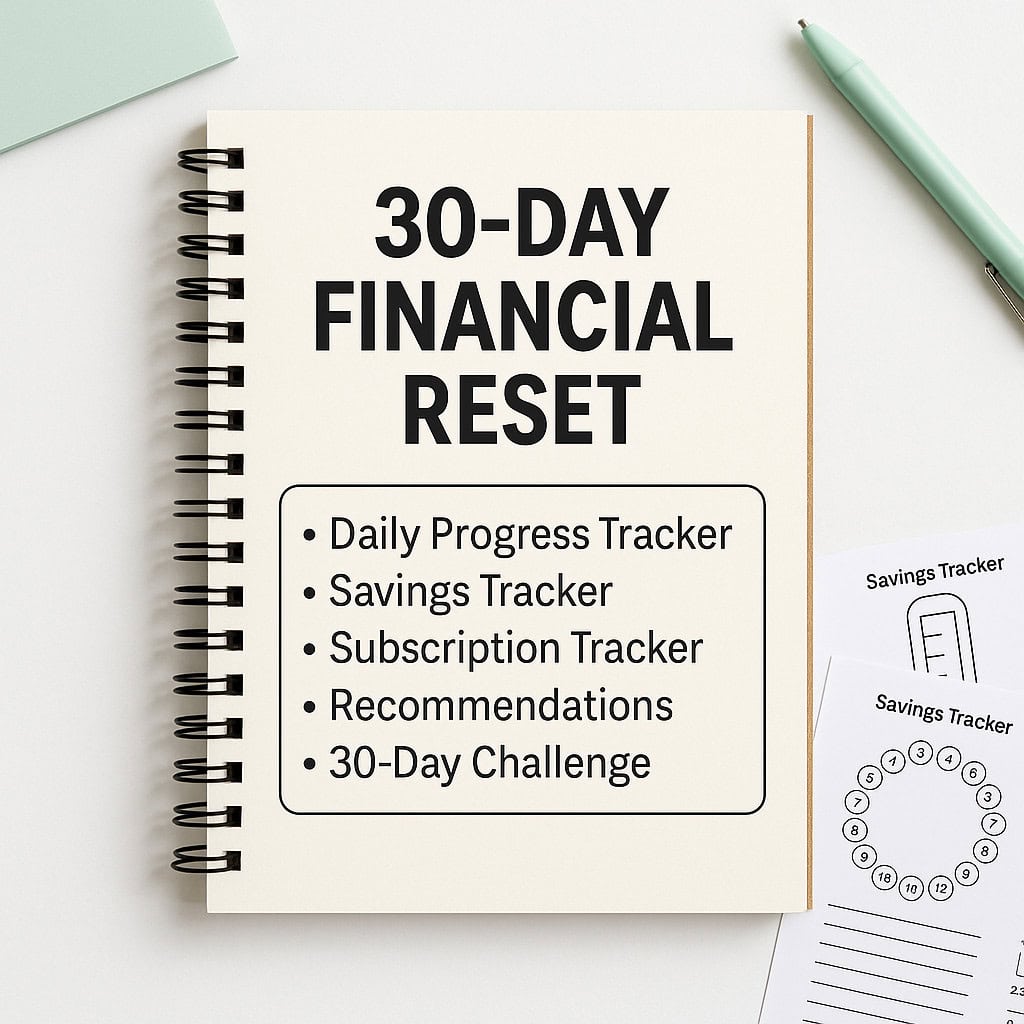
30 Day Financial Reset
The 30-Day Financial Reset gives you one simple money habit to complete each day, making it easy to build lasting financial habits without feeling overwhelmed.
With progress trackers, savings tools, and daily motivation, you’ll finally stop thinking about improving your finances and start doing it.
Improve Your Finances
Frequently Asked Questions

What is the best way to save money?
The best way to save money is to pay yourself first.
Instead of trying to save whatever is left over at the end of the month, automatically move money into savings as soon as you get paid.
Then focus on reducing recurring monthly expenses like subscriptions, insurance, and dining out.
Small changes repeated consistently almost always outperform drastic short-term budgeting.
How can I save money if I’m living paycheck to paycheck?
Start small.
Even saving $10 or $20 from each paycheck builds the habit of paying yourself first.
At the same time, look for recurring expenses you can reduce, such as unused subscriptions, expensive cell phone plans, or eating out too often.
The goal isn’t to save a huge amount overnight. It’s to create momentum.
What are the easiest ways to save money?
Some of the easiest ways to save money include:
- Automating your savings
- Planning your meals before grocery shopping
- Packing your lunch
- Canceling subscriptions you no longer use
- Shopping your insurance every year
- Waiting 24 hours before making impulse purchases
These habits require very little effort but can save hundreds of dollars over the course of a year.
How can I save more money every month?
The fastest way to save more each month is to focus on your biggest expenses first.
Lower your housing costs if possible, review your insurance, reduce transportation expenses, and cut recurring monthly bills before worrying about small purchases.
Then automate your savings so the money is moved before you have a chance to spend it.
How much money should I save each month?
There’s no one-size-fits-all answer.
A good goal is to save at least 10% to 20% of your income, but the most important thing is to save something consistently.
If money is tight, start with whatever amount you can afford.
Once saving becomes a habit, gradually increase the amount as your income grows.
Should I save money or pay off debt first?
It depends on the type of debt.
If you don’t have an emergency fund, it’s usually wise to save a small cushion, around $500 to $1,000 before aggressively paying off debt.
After that, focus on eliminating high-interest debt like credit cards while continuing to save enough to avoid taking on new debt when unexpected expenses arise.
Where should I keep the money I’m saving?
Money you’re likely to need within the next few years is generally best kept in a high-yield savings account.
These accounts typically earn much more interest than traditional savings accounts while keeping your money safe and easily accessible.
Long-term goals like retirement are usually better served by investment accounts rather than savings accounts.
How do I stop impulse spending?
The simplest strategy is to create a pause between wanting something and buying it.
Wait at least 24 hours before making non-essential purchases.
Remove saved payment methods from shopping websites, unsubscribe from retailer emails, and avoid shopping when you’re bored or stressed.
Often, you’ll find the urge to buy disappears after you’ve had a little time to think about it.
What expenses should I cut first?
Start with expenses that repeat every month.
Subscriptions, streaming services, insurance premiums, internet plans, cell phone bills, and dining out usually offer the biggest opportunities for savings.
Reducing a monthly bill by $50 saves you $600 every year without requiring any additional effort.
How long does it take to save $1,000?
That depends on how much you’re able to save each month.
If you save $100 each month, it will take about 10 months.
Save $250 each month, and you’ll reach your goal in about four months.
Rather than focusing on how long it will take, focus on building consistent saving habits.
As your income increases and your spending improves, you’ll often find yourself reaching financial goals much faster than you expected.
Final Thoughts
Saving money isn’t about being perfect.
You don’t need to follow all 101 ideas in this guide to improve your finances.
In fact, you’re much more likely to succeed if you focus on just a handful of habits and build from there.
Start with one or two changes this week.
Once those become part of your routine, add another.
Before long, you’ll spend less time worrying about money and more time watching your savings grow.
Remember, financial success rarely comes from one big decision.
It comes from making hundreds of small, smart decisions over time.

__TVE_SHORTCODE_RAW___
Read the full article here