THIS POST MAY CONTAIN AFFILIATE LINKS. PLEASE SEE MY DISCLOSURES. FOR MORE INFORMATION.
Nobody wakes up and says: “Today I’d like to waste a bunch of money.”
Yet it happens all the time.
Not because people are careless.
Because companies have become incredibly good at convincing us to spend money on things that sound valuable but often provide very little value in return.
Sometimes it’s hidden fees.
Sometimes it’s clever marketing.
Sometimes it’s simply paying extra because something sounds better, looks better, or feels safer.
The frustrating part is that most money traps don’t look like ripoffs at all.
They look smart.
Responsible.
Even financially savvy.
Here are some of the biggest money traps consumers continue falling for—and what to know before spending your hard-earned cash.
Extended Warranties
Retailers love selling extended warranties.
There’s a reason.
They’re one of the most profitable products in the store.
The sales pitch usually follows the same script:
“What happens if it breaks?”
Nobody wants to spend hundreds of dollars replacing a television, laptop, or appliance. That fear is exactly what companies are counting on.
What they don’t emphasize is that many products already come with manufacturer warranties. Many credit cards also extend warranty coverage automatically on purchases.
And here’s the reality: Most electronics either fail early, while they’re still covered, or they last for years without problems.
That leaves a surprisingly small window where an extended warranty actually pays off.
For every customer who uses one successfully, countless others spend money on protection they’ll never need.
Premium HDMI Cables

Electronics stores have been running this trick for years.
You walk in needing a cable.
Then you see one HDMI cable for $8 and another for $60.
The expensive one comes in flashy packaging and promises superior performance.
Suddenly you start wondering if the cheaper cable is somehow inferior.
For most people, it isn’t.
Digital signals generally work differently than old analog connections.
The picture doesn’t get “more HD” because the cable costs more.
Either the signal works or it doesn’t.
Yet many consumers continue spending extra because the expensive cable feels like the safer choice.
It’s one of the easiest upsells in retail.
Printer Ink
At some point, printer ink became one of the most frustrating purchases in modern life.
You can buy an entire printer for less than the replacement cartridges.
Think about that for a second.
An entire machine often costs less than the liquid required to keep it running.
Printer manufacturers frequently sell printers at low margins and make their money on replacement ink.
It’s a business model that has worked brilliantly for years.
Fortunately, consumers have more options today.
Generic cartridges, refill programs, and third-party alternatives can dramatically reduce costs without sacrificing much quality for everyday printing.
Unless you’re printing professional photography, many people never notice a difference.
Identity Theft Protection Services
Identity theft protection sounds incredibly reassuring.
Who wouldn’t want protection against fraud?
The problem is that many consumers misunderstand what these services actually do.
Most aren’t preventing identity theft.
They’re monitoring your information and notifying you if suspicious activity occurs.
That’s useful.
But it’s very different from the image many advertisements create.
Many consumers could achieve similar protection by freezing their credit reports, monitoring financial accounts, and checking their credit periodically.
The irony is that one of the best fraud-prevention tools available—a credit freeze—is often free.
Payday Loans
Few financial products deserve more criticism than payday loans.
They are often marketed as short-term solutions for people facing temporary financial problems.
Unfortunately, temporary problems frequently become long-term ones.
The issue isn’t just the interest rates.
It’s the timing.
The people using payday loans are often already struggling financially.
When repayment comes due, they frequently find themselves right back where they started.
Only now they owe even more money.
That leads many borrowers to take out another loan.
And another.
And another.
What started as a quick fix becomes a cycle that’s incredibly difficult to escape.
Weight Loss Supplements

The weight-loss industry has mastered one thing: Selling hope.
Every year there’s a new breakthrough.
A new formula.
A new miracle ingredient.
A new shortcut.
And every year millions of people spend money hoping this time will be different.
The problem is that many supplements rely more on marketing than science.
The before-and-after photos get the attention.
The fine print usually doesn’t.
People naturally want easy solutions.
Unfortunately, most long-term weight-loss success still comes from the same boring fundamentals: Better nutrition. Consistent activity. Patience.
Not exactly exciting.
But effective.
Credit Repair Companies
If credit repair companies marketed themselves honestly, their advertisements would be far less exciting.
Because most credit improvement isn’t magic.
It’s math.
Pay bills on time.
Reduce balances.
Fix legitimate reporting errors.
Repeat.
Many credit repair companies charge consumers to perform actions they could often perform themselves.
That doesn’t mean every company is a scam.
But many people sign up expecting a secret shortcut that doesn’t actually exist.
Building strong credit usually requires consistency, not clever tricks.
Timeshares
Timeshares may be one of the most misunderstood purchases consumers make.
The sales presentations are often impressive.
The resorts look beautiful.
The vacation photos are amazing.
And the idea sounds reasonable: Why not lock in future vacations today?
The problem usually shows up later.
Maintenance fees increase.
Booking becomes complicated.
Resale values collapse.
And owners discover getting out can be far more difficult than getting in.
Some people genuinely enjoy their timeshares.
But many others discover they purchased an obligation instead of an asset.
Cable TV Packages
Cable companies deserve credit for one thing:
They’ve somehow turned television into one of the most complicated bills people receive.
Equipment fees. Broadcast fees. Sports fees. Regional fees. Taxes.
Charges most customers never expected.
Many households pay for hundreds of channels while regularly watching fewer than ten.
And because the increases often happen gradually, many consumers don’t realize how much they’re spending until they compare bills from a few years ago.
The most frustrating part?
Loyal customers often end up paying more than new customers receiving promotional pricing.
Designer Fashion
Luxury fashion sits in a fascinating category.
Sometimes you’re paying for exceptional quality.
Sometimes you’re paying for branding.
Sometimes you’re paying for both.
The challenge is knowing which is which.
Many consumers assume expensive automatically means better.
But price and quality don’t always move together.
A $1,000 handbag may be beautifully made.
Or it may simply carry a logo people recognize.
Luxury brands understand something powerful: People don’t just buy products.
They buy identity.
Status.
Belonging.
And those things can command incredible markups.
The question isn’t whether designer products are worth it.
The question is whether they’re worth it to you.
Store Credit Cards
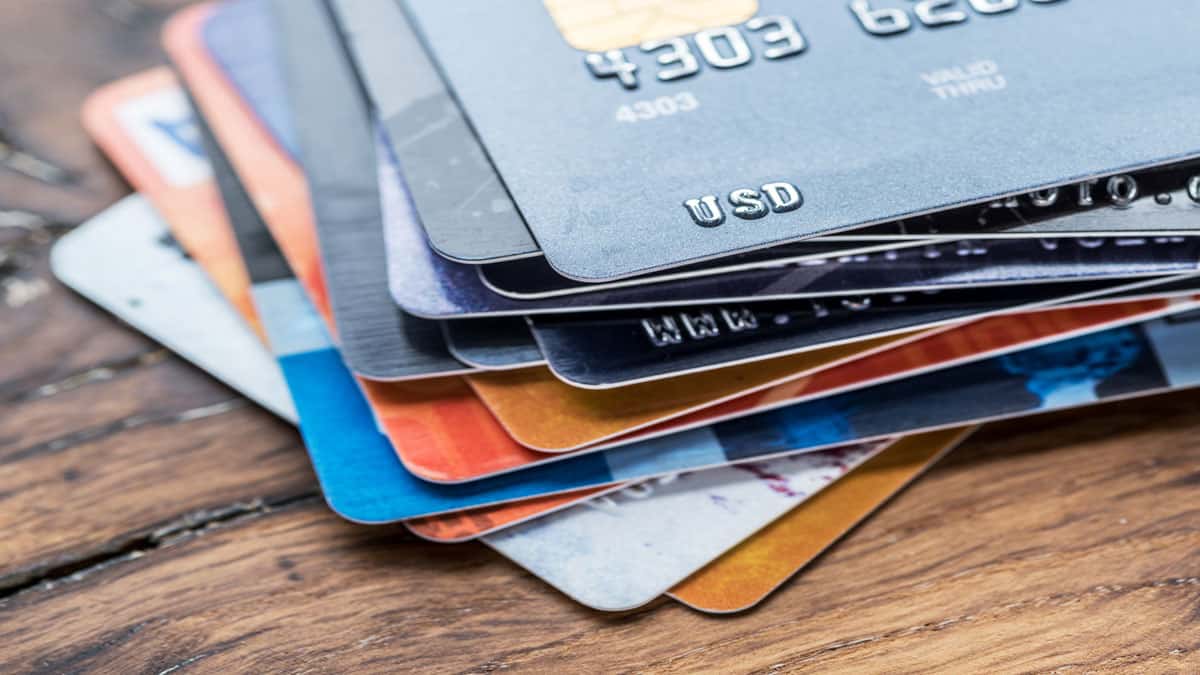
It happens at checkout almost everywhere now.
The cashier asks: “Would you like to save 15% today?”
Suddenly you’re standing there trying to do mental math while a line of people waits behind you.
The discount sounds great.
And sometimes it genuinely is.
The problem is what comes next.
Many store credit cards carry interest rates that would make your mortgage blush.
If you don’t pay the balance in full, that 15% discount can disappear quickly.
Retailers know this.
They’re not offering discounts out of generosity.
They’re offering them because store credit cards are incredibly profitable.
If you were already planning to buy the item and can pay the balance immediately, the discount might make sense.
Otherwise, it can become a very expensive coupon.
College Textbooks
Few purchases frustrate students more than textbooks.
You walk into the bookstore and discover one required book costs $250.
Then you find out you’ll use it for maybe four chapters.
The textbook industry has improved somewhat thanks to rentals, digital editions, and used books.
But many students still feel trapped.
Professors often require specific editions.
Publishers frequently release new versions with minimal changes.
And suddenly last year’s perfectly good textbook is somehow “outdated.”
Students have gotten smarter over the years by renting, sharing, buying used, and exploring digital options.
But textbook costs remain one of the most annoying hidden expenses of higher education.
Overdraft Fees
There is something uniquely frustrating about paying a fee because you don’t have enough money.
It’s the financial equivalent of being kicked while you’re already down.
A single overdraft can trigger a fee of $30 or more.
Multiple transactions can create multiple fees.
And before you know it, a small mistake becomes a much larger problem.
The good news is that many banks now offer tools that didn’t exist years ago.
Balance alerts. Automatic transfers. Overdraft protection options.
Unfortunately, many customers never take the time to set them up.
Banks count on that.
Gym Memberships You Never Use
Every January, gyms become crowded.
Every March, they become noticeably less crowded.
The problem isn’t gym memberships.
The problem is aspirational spending.
People often buy the version of themselves they hope to become.
The person who works out five days a week.
The person who never misses a workout.
The person who suddenly loves cardio.
Then reality arrives.
Work gets busy.
Schedules get chaotic.
Motivation disappears.
A $15 gym membership you use consistently is one of the best bargains around.
A $150 gym membership you rarely visit is one of the worst.
The best fitness plan isn’t the fanciest one.
It’s the one you’ll actually stick with.
Designer Eyeglasses

The eyewear industry has one of the most surprising markups consumers encounter.
Many shoppers assume expensive frames must be dramatically better.
Sometimes they are.
Often they’re not.
A lot of what you’re paying for is branding.
Designer names. Fashion labels. Luxury marketing.
Meanwhile, many online retailers now offer quality frames and lenses at a fraction of traditional prices.
The result?
Consumers are starting to realize they don’t necessarily need to spend hundreds of dollars to see clearly.
Which is probably good news considering how expensive everything else has become.
Premium Gasoline
Many drivers assume premium gasoline is automatically better for their car.
The word “premium” certainly sounds convincing.
But for most vehicles, it doesn’t provide extra horsepower, better fuel economy, or a longer engine life.
The truth is that premium fuel is designed for engines that require a higher octane rating. If your owner’s manual recommends regular gas, your vehicle was engineered to run perfectly fine on regular gas.
Think about it this way: Nobody buys premium gasoline because they enjoy spending more money.
They buy it because they think they’re protecting their vehicle.
In many cases, they’re simply paying extra for something their car doesn’t need.
Even an extra $5 per fill-up can quietly add hundreds of dollars to your annual driving costs.
That’s a lot of money for a benefit you may never actually receive.
Buy Now, Pay Later Promotions
“No interest.” “Same as cash.” “Easy monthly payments.”
The offers sound harmless.
Sometimes they are.
Sometimes they’re financial landmines disguised as convenience.
Many consumers focus on the monthly payment rather than the total cost.
That’s exactly what lenders want.
A $2,000 purchase suddenly feels affordable when it’s framed as “$55 per month.”
The danger comes when multiple payment plans start stacking on top of each other.
A little here. A little there. Another one next month.
Before long, consumers find themselves juggling several obligations they barely remember signing up for.
Convenience can be expensive.
High-Pressure Sales Tactics
This might be the oldest money trap in existence.
And it still works.
“Only three left.” “Offer expires tonight.” “This price won’t last.”
The goal isn’t informing you.
The goal is speeding you up.
When people feel urgency, they stop researching.
They stop comparing.
They stop thinking.
Marketers know that time is often the enemy of impulse purchases.
The longer you think, the less likely you are to buy.
That’s why some of the best financial decisions happen after a simple pause.
Walk away. Sleep on it. Come back tomorrow.
If the deal is truly great, it will probably still look great the next day.
Debt Settlement Companies
Debt settlement companies often market themselves as financial superheroes.
The message is simple: “We’ll help you get out of debt.”
And sometimes they do.
But many consumers don’t fully understand how the process works.
In many cases, debt settlement companies encourage clients to stop making payments while negotiations take place.
During that time, missed payments can damage credit scores.
Collection calls may continue.
Stress levels often increase.
The settlement itself may save money.
But the path there isn’t always as smooth as advertisements suggest.
For many consumers, creating a repayment plan, negotiating directly with creditors, or working with a nonprofit credit counseling organization may provide a better outcome.
The Bigger Lesson
Most ripoffs don’t look like ripoffs.
If they did, nobody would buy them.
Instead, they usually appear reasonable.
Helpful. Protective. Convenient.
That’s what makes them so effective.
The companies behind these products understand something important:
People don’t always buy what they need.
They buy what makes them feel safer. Smarter. Healthier. More successful. More secure.
And there’s nothing wrong with that.
The key is learning to pause before spending and ask a simple question: “Am I paying for real value, or am I paying for a feeling?”
Sometimes the answer is both.
But the more often you ask that question, the less likely you are to fall into the money traps that quietly drain your finances year after year.
Because keeping more of your money isn’t about being cheap.
It’s about making sure your hard-earned dollars actually work for you instead of someone else’s marketing department.
Read the full article here