





THIS POST MAY CONTAIN AFFILIATE LINKS. PLEASE SEE MY DISCLOSURES. FOR MORE INFORMATION.
Food is one of those expenses you can’t simply cut out of your budget.
You have to eat. But what happens when you’re hungry and there’s no money left for groceries?
If you’re trying to figure out how to get food if you have no money, there are places you can turn for help.
Some can get you a meal today. Others can provide groceries or longer-term assistance so you’re not facing the same problem again tomorrow.
And you don’t need to feel embarrassed about asking for help.
People end up short on food for all kinds of reasons.
Maybe you lost your job, had an unexpected expense, or your paycheck simply isn’t stretching far enough this month.
Whatever put you in this situation, focus on getting food first.
Below are practical ways to get free food with no money, including food banks and pantries, government assistance, community organizations, churches, food-sharing apps, and a few less obvious options.
If you don’t have anything to eat right now, start with the next section. Those are the resources I’d try first.
I Need Food and Have No Money: Start Here
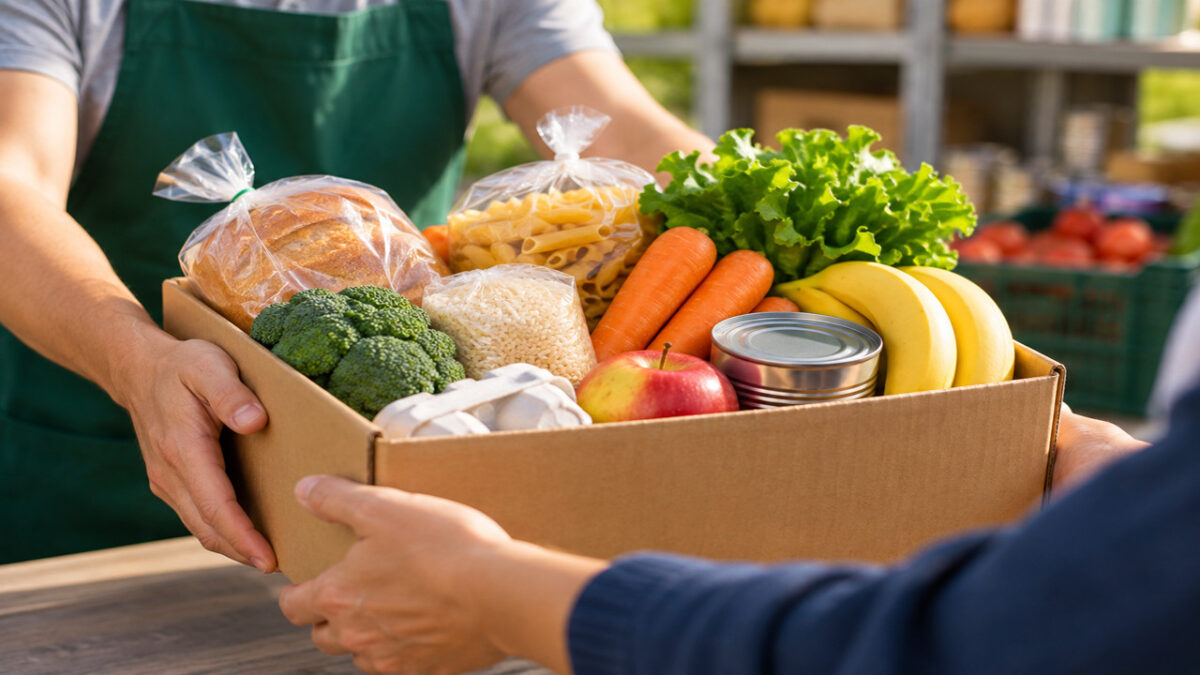
If you’re thinking, “I need food and have no money,” don’t spend hours searching for coupons or signing up for rewards programs.
Start with organizations that exist specifically to help people get food.
Here is what to do if you have no food or money first:
- Call 211. Dialing 211 can connect you with local organizations that provide food and other essential services. Your current article already recommends it as a starting point for finding assistance.
- Find a local food pantry or food bank. These organizations distribute groceries to people who need help, whether your situation is temporary or ongoing.
- Look for a soup kitchen or community meal. If you need something to eat today rather than groceries to take home, a local meal program may be a better option.
- Contact a church or other place of worship. Churches, mosques, temples, and other religious organizations may operate food pantries, serve community meals, or know where you can get immediate assistance.
- Ask someone you trust. If you have a friend, relative, or neighbor you feel comfortable asking, tell them what’s going on. You don’t have to ask for money. Even a few groceries or a meal can get you through the day.
- Check food-sharing resources in your area. Community fridges, neighborhood food-sharing groups, and apps such as OLIO may help you find food that other people or businesses are giving away.
- Apply for SNAP or WIC if you qualify. If having enough money for food is an ongoing problem, these programs can provide longer-term assistance rather than just getting you through today. Your existing article already discusses both programs near the beginning.
If you have no food or money right now, I’d start with 211, a nearby food pantry, or a community meal.
Those options are much more likely to help immediately than many of the free-food tricks we’ll cover later.
Once you’ve taken care of today’s meal, you can look at the other options below to stretch your food budget and find additional sources of free food.
How to Get Food If You Have No Money
1. Apply for SNAP
The Supplemental Nutrition Assistance Program (SNAP) helps eligible households pay for groceries.
If you qualify, you’ll receive benefits on an Electronic Benefits Transfer (EBT) card that can be used to purchase eligible food at participating grocery stores and other retailers.
Eligibility and application procedures vary by state, so you’ll need to apply through your state’s SNAP agency.
If you’re struggling to afford groceries month after month, this is one of the first programs I’d look into. It’s designed to provide ongoing help rather than just one free meal.
Below is a table with the contact info for every state (including Washington D.C.) to help you get to the right people who can help.
2. See If You Qualify for WIC
If you’re pregnant, recently had a baby, breastfeeding, or have a child under age five, you may qualify for the Special Supplemental Nutrition Program for Women, Infants, and Children (WIC).
WIC can help eligible families pay for certain nutritious foods and provides additional nutrition-related support.
Don’t assume you earn too much to qualify.
Check the current eligibility requirements in your state before ruling it out.
3. Visit a Food Pantry
A local food pantry can be one of the fastest ways to put groceries in your kitchen when you can’t afford to buy them.
Depending on the pantry, you might receive canned goods, pasta, cereal, bread, produce, meat, dairy products, or other basic groceries.
Requirements vary. Some pantries may ask for identification or information about where you live, while others have few requirements.
And food pantries aren’t only for people facing long-term hardship.
If you lost your job, had a large unexpected expense, or simply can’t make your paycheck stretch until the end of the month, that’s exactly the kind of situation these organizations can help with.
4. Find a Local Food Bank
Food banks and food pantries are related, but they’re not always the same thing.
A food bank typically collects and distributes large quantities of food to smaller organizations, including local food pantries.
Some food banks also distribute food directly to individuals.
If you find a food bank that doesn’t provide food directly, don’t give up.
Ask them where the nearest pantry or food distribution site is.
5. Look for Soup Kitchens and Free Community Meals
Sometimes you don’t need a box of groceries.
You need something to eat today.
Soup kitchens, shelters, community centers, and nonprofit organizations may serve free prepared meals on certain days of the week.
Search for free community meals in your area or call 211 and ask what’s available nearby.
6. Check Churches and Other Places of Worship
Churches and other religious organizations often help people who are struggling with food.
Some have their own food pantries.
Others serve community meals, distribute groceries, or work with local organizations that can provide assistance.
It’s also worth checking Sikh gurdwaras in your area.
Many serve langar, a free community meal that’s traditionally available to everyone regardless of religion or background.
You can also contact mosques, synagogues, temples, and other places of worship to ask whether they offer meals or food assistance.
7. Look for a Community Fridge or Free Pantry
Community fridges have become another way for people to share food locally.
The concept is simple: people and businesses leave food in a publicly accessible refrigerator, and people who need it can take it.
You may also find little free pantries, which work similarly but generally contain shelf-stable foods such as canned goods, pasta, cereal, and peanut butter.
Availability varies considerably depending on where you live, but they’re worth searching for because many don’t require an application or proof of income.
8. Ask Local Farmers and Gardeners
If you live in an agricultural area, consider asking local farmers or gardeners whether they have extra produce.
You aren’t guaranteed anything, of course.
But gardeners frequently end up with more tomatoes, zucchini, cucumbers, peppers, and other produce than they can use.
Your existing article has separate sections for asking farmers and using community gardens.
I’d combine those concepts here rather than keeping them as separate tips.
9. Ask People You Know
Don’t overlook the people around you.
If you’re comfortable doing so, tell a friend, family member, or neighbor that you’re short on groceries. You don’t have to ask them for money.
Ask whether they have food they aren’t going to use or if you can join them for dinner.
You might be surprised how willing someone is to help when they know specifically what you need.
How to Get Free Food Online With No Money

You don’t necessarily have to leave home to start looking for free food.
Your phone or computer can connect you with people giving away food, local assistance programs, and restaurants offering freebies.
If you’re wondering how to get free food online with no money, here are some of the best places to start.
10. Use Food-Sharing Apps
Food-sharing apps connect people who have extra food with people who can use it.
One example is OLIO, which allows people and businesses to list food they don’t want to go to waste.
What’s available depends entirely on your area, so you might find anything from extra groceries to food that a local business can no longer sell.
Check the app regularly because free items can disappear quickly.
11. Check Buy Nothing and Local Community Groups
Local online groups can be surprisingly useful when you need food.
Look for a Buy Nothing group, neighborhood Facebook group, or another local community group.
People frequently give away groceries they bought but won’t use, unopened pantry items, garden produce, and other food rather than throwing it away.
You can also make a post asking for help.
Keep it simple. Explain that you’re going through a difficult time and could use some basic groceries.
12. Search for Food Pantries Near You
The internet can also help you find free groceries locally.
Search for food pantries, food banks, community fridges, free community meals, and other food assistance programs near you.
Check their hours and requirements before heading out since some programs only distribute food on certain days.
Calling 211 can also help you identify programs in your area if you’re having trouble finding them yourself.
13. Check Restaurant Apps and Rewards Programs
Some restaurants give new members a free food item or reward for joining their loyalty program or downloading their app.
Offers change frequently, so check the current promotion before signing up.
You may also need to make a purchase before receiving a reward, which obviously won’t help if you truly have no money.
If an offer is genuinely free with no purchase required, though, it can help you get something to eat.
14. Sign Up for Restaurant Emails
Restaurants sometimes offer a free item for joining their email list or rewards program.
You may also receive birthday rewards, limited-time promotions, or other freebies throughout the year.
Again, read the fine print. A coupon for a “free” item isn’t very useful when it requires you to spend $10 first.
15. Look for Free Food in Local Online Listings
People sometimes post extra food on neighborhood apps, community boards, and local giveaway groups.
You might find someone giving away canned goods before moving, extra produce from a garden, unopened groceries their family won’t eat, or food left over from an event.
Just use common sense when accepting food from strangers.
Stick with food that appears safe to eat, and be especially careful with opened, improperly stored, or perishable items.
Other Ways to Get Free Food With No Money

The resources above are your best options when you need food quickly, but there are other ways to find free food or make the little money you have go further.
These aren’t as reliable as a food pantry or assistance program, so I wouldn’t depend on them in an emergency.
Still, they can help you stretch your food budget.
16. Contact Local Charity Organizations
Local charities and nonprofit organizations may be able to help when you don’t have enough money for food.
Depending on the organization, you might be able to get free groceries, prepared meals, grocery vouchers, or emergency financial assistance.
Some organizations run their own food programs, while others partner with local food banks, restaurants, and grocery stores.
Search for food assistance charities in your area, or contact organizations such as The Salvation Army, Catholic Charities, St. Vincent de Paul, or Food Not Bombs to see what help is available locally.
Don’t assume you have to be homeless or experiencing a long-term crisis to ask for help.
Many charitable organizations also assist people dealing with temporary situations, such as a job loss, unexpected expense, or a paycheck that simply didn’t stretch far enough.
You can see if there are any locations near you by searching here.
17. Look for Free Food Samples
Free samples won’t fill your refrigerator, but they can get you a snack while you’re already out shopping.
Grocery stores, warehouse clubs, food festivals, and other businesses sometimes offer samples to customers.
I’ve noticed that timing can make a big difference.
One of my local grocery stores rarely had samples when I shopped on Tuesdays.
But when I went on a Saturday, there were usually several sample stations throughout the store.
Obviously, I wouldn’t drive around town hunting for samples.
But if you already shop somewhere that regularly offers them, it’s an easy freebie to take advantage of.
18. Take Advantage of Birthday Freebies
Your birthday can be a great time to get free food.
Restaurants, coffee shops, bakeries, and other businesses may offer birthday rewards ranging from a free drink or dessert to a full menu item.
There’s usually a catch. You may need to join the company’s loyalty program ahead of time, and some offers require a purchase.
That’s why it’s worth signing up for places you already visit rather than joining dozens of programs you’ll never use.
And stick to using these offers on your actual birthday.
There’s no reason to lie about it just to score a free sandwich.
19. Watch for Restaurant Grand Openings
New restaurants sometimes give away food to generate attention when they open.
You might find free samples, giveaways for the first customers through the door, or special grand-opening promotions.
There’s no guarantee you’ll find one when you need it, so this isn’t an emergency food strategy.
But if a restaurant is opening nearby, it’s worth checking what promotions they’re running.
20. Use Grocery Coupons and Free-Item Offers
Coupons probably aren’t going to get you an entire cart of groceries for free, but they can still help.
Check your grocery store’s digital coupons, weekly sales, loyalty offers, and manufacturer coupons.
Occasionally, you’ll find a coupon or promotion that makes an item completely free.
Even when you can’t get something for nothing, combining a good sale with a coupon can make certain groceries extremely cheap.
I wouldn’t build this section around double coupons like the old version does.
Coupon policies have changed considerably, and what works at one supermarket may not work at another.
21. Check Your Receipts
Before you toss a restaurant receipt in the trash, take a few seconds to look at the bottom.
Some restaurants print a survey offer or promotional code on their receipts.
Complete a short survey about your visit, and you may receive a coupon for a free menu item, a discount, or another reward to use the next time you visit.
These offers vary by restaurant and can change over time, so always check the terms.
You may need to redeem the offer within a certain number of days or make another purchase to receive the free item.
It’s an easy habit to get into.
You already have the receipt, and a couple of minutes answering questions could turn it into free food.
22. Become a Mystery Diner
Mystery shopping companies sometimes pay people to evaluate restaurants.
Typically, you’ll be given instructions about what to order and what to observe during your visit.
Afterward, you’ll submit a report and may be reimbursed for some or all of your meal.
The downside is important: you may have to pay for the meal upfront and wait to be reimbursed.
So this isn’t a solution if you have no money and need dinner tonight.
It’s better viewed as a way to occasionally get a restaurant meal reimbursed.
23. Barter Something You Don’t Need for Food
If you don’t have cash but own something you no longer need, you could try trading it for groceries.
It doesn’t have to be anything expensive.
Someone might be willing to exchange food for clothes, household items, tools, toys, or something else they need.
Just be smart about the value of the trade.
Giving away a $100 item for $10 worth of groceries solves one problem by creating another.
24. Trade Your Time or Skills for Food
You may also be able to exchange your time for food.
For example, someone with a large garden might have more vegetables than they can eat but need help weeding or cleaning up the yard.
You could offer to help in exchange for some of their excess produce.
If you make this kind of arrangement, agree on the trade beforehand.
Don’t do several hours of work based on a vague promise that someone might give you food afterward.
25. Ask Restaurant Workers About Surplus Food
Restaurants sometimes have prepared food left at the end of the night that they can’t sell the following day.
Whether employees can give it away depends on the restaurant’s rules, so don’t assume they’ll be allowed to.
But if you know someone who works at a restaurant, you can always ask what happens to the extra food.
I benefited from this when I was in college.
A friend worked Sunday nights at Taco Bell, and sometimes there was prepared food left over that he was allowed to bring back with him.
When that happened, I had free burritos and tacos on Monday.
It wasn’t something I could depend on, but when you’re a broke college student, free Taco Bell is a pretty nice way to start the week.
26. Learn How to Forage Safely
Depending on where you live, you may be able to find edible berries, fruit, nuts, greens, and other foods growing naturally.
But don’t eat something simply because you think you recognize it.
Some poisonous plants and mushrooms look similar to edible varieties.
If you don’t know exactly what you’re looking at, leave it alone.
You also need permission to forage in many locations.
Something growing on public property isn’t automatically free for anyone to take.
Foraging makes the most sense when you can learn from someone experienced with edible plants in your area.
27. Grow Your Own Food
Growing food obviously won’t solve the problem if you’re hungry today, but it can help reduce your grocery bill in the future.
And you don’t necessarily need a large backyard.
Tomatoes, peppers, lettuce, herbs, and other foods can be grown in containers on a patio or balcony if you have enough sunlight.
You can also look for seed libraries and seed exchanges in your community.
Some give seeds away for free, making it possible to get started with almost no money.
28. Earn Gift Cards With Survey Sites
Online survey sites won’t put food on the table immediately, but they can be an easy way to earn a little extra money or free gift cards for groceries and restaurants.
Sites like Swagbucks, Survey Junkie, and MyPoints let you earn rewards for completing surveys and other simple online activities.
Depending on the site, you may be able to redeem your earnings for gift cards or cash that you can use toward food.
The downside is that surveys generally don’t pay much, so this isn’t a good option if you need something to eat today.
But if you have some spare time, earning an occasional $5 or $10 gift card can help cover a meal or knock a few dollars off your grocery bill.
29. Use Discounted Food Apps
This one technically isn’t free, but I think it’s worth including because it can make a few remaining dollars go much further.
Apps like Flashfood partner with restaurants and grocery stores that sell food near expiration at up to 80% off retail price.
The apps are free to download, and both are expanding throughout the country.
You may find produce, bakery products, prepared meals, meat, or other groceries for considerably less than the regular price.
If you literally have no money, use the free resources earlier in this article instead.
But if you have $5 or $10 available, discounted-food apps may help you turn it into considerably more food.
Questionable Ways to Get Free Food

There are a few other ways people get free food that I haven’t included in the main list.
That’s intentional.
Some come with health or safety risks.
Others involve breaking a business’s rules, putting yourself in an awkward situation, or doing something that may not be legal where you live.
I don’t recommend these methods.
But since you may come across them when searching for ways to get free food, I think they’re worth discussing.
30. Dumpster Diving
Restaurants, grocery stores, and bakeries throw away a surprising amount of food, which is why some people go dumpster diving for it.
You may find packaged foods, produce, baked goods, or other items that look perfectly fine.
The problem is that you don’t know how that food was handled before it reached the dumpster.
Perishable foods may have spent hours at unsafe temperatures, packaging could be contaminated, and food may have been discarded because of spoilage or a recall.
There are also legal and property-access issues to consider.
Rules vary depending on where you live and whether the dumpster is on private property.
For those reasons, I wouldn’t rely on dumpster diving for food.
A food pantry, community fridge, or food-sharing program is a much safer option.
31. Sneaking Into a Hotel’s Free Breakfast
Another trick you may hear about is walking into a hotel during breakfast and acting like you’re staying there.
If the hotel offers a complimentary breakfast buffet and nobody checks room numbers, you might be able to grab some food without anyone questioning you.
But you’re still taking a service that’s intended for paying guests.
I wouldn’t recommend doing this.
If you’re truly hungry, you’re better off asking the hotel staff whether they have any food they can give you rather than pretending you’re a guest.
32. Asking for Someone’s Restaurant Leftovers
The original version of this article suggested asking diners for food they weren’t going to finish.
Technically, you could ask someone who’s clearly finished eating whether they’re going to take their leftovers home.
But this is another method I wouldn’t recommend.
Besides being uncomfortable for everyone involved, you have no idea whether the food has been handled safely.
A better approach is asking restaurant staff whether they have any safe surplus food they’re permitted to give away.
33. Crashing Parties
Large parties, weddings, and other events often have plenty of food available.
That doesn’t mean you should show up uninvited just to eat it.
Aside from the obvious ethical issue, you could be asked to leave or potentially get yourself into more trouble than the free meal is worth.
If you’re invited to an event, absolutely enjoy the food that’s offered.
But I wouldn’t recommend crashing someone else’s celebration because you’re looking for dinner.
34. Check for Abandoned Food Delivery Orders
If you’ve spent much time in restaurants, you’ve probably seen the shelf where DoorDash, Uber Eats, and other delivery orders wait to be picked up.
Sometimes nobody ever comes for them.
Maybe the customer canceled, the driver never arrived, or something went wrong with the order.
Eventually, the restaurant has to throw the food away.
Don’t just take an order from the pickup shelf.
Until the restaurant says otherwise, that food isn’t yours, and someone may still be coming to get it.
Instead, you could stop by a restaurant shortly before closing and ask an employee whether they have any canceled or abandoned orders they’re going to throw away.
They may say no, and company policy may prevent them from giving the food away, but there’s no harm in politely asking.
You might also hear people suggest checking restaurant dumpsters after closing for discarded delivery orders.
I don’t recommend this because of the same food-safety, property, and legal concerns that come with dumpster diving.
Once food has been thrown away, you don’t know how long it has been sitting out or whether it’s still safe to eat.
If you’re going to try this idea, asking the restaurant before the food gets thrown away is by far the better option.
35. Event and Banquet Tailgating
Large events such as conferences, weddings, banquets, fundraisers, and corporate meetings often end with more food than the organizers can use.
If you work at the venue, know someone involved with the event, or happen to be there as things are wrapping up, you can ask whether any leftover food is going to be thrown away.
Caterers and event organizers may be willing to let people take extras once all the guests have been served.
The key is to ask rather than assume the food is up for grabs.
Don’t crash a private event or start helping yourself to a buffet you weren’t invited to.
This isn’t something you can count on when you need a meal, but catered events can produce a surprising amount of surplus food.
If the alternative is throwing it away, a polite question might result in a free meal, or even enough leftovers for the next day.
Frequently Asked Questions

How can I get free food if I have no money?
If you have no money for food, start with resources that can provide free meals or groceries right away.
Call 211 to find local food assistance, visit a food pantry or food bank, or look for soup kitchens and free community meals in your area.
You can also check churches and other places of worship, community fridges, and local food-sharing programs.
If you’re having trouble affording food on a regular basis, see whether you qualify for SNAP, WIC, or other government food assistance programs.
If you need something to eat today, focus on food pantries and community meal programs first.
They’re more likely to provide immediate help than options such as rewards programs, coupons, or food apps.
What should I do if I have no food or money today?
If you need food today, focus on options that don’t require you to earn points, wait for a gift card, or spend money first.
Call 211 and ask about emergency food assistance in your area.
You can also contact local food pantries, soup kitchens, community meal programs, churches, and other organizations that provide free meals or groceries.
If you’re comfortable doing so, tell a friend or family member what’s going on.
Asking someone for a meal or a few groceries may be the fastest solution.
Where can I get free food near me?
Some of the best places to look for free food near you include food pantries, food banks, soup kitchens, community meal programs, churches, community fridges, and little free pantries.
You can also call 211 to find local food assistance programs instead of trying to track them all down yourself.
How can I get free groceries?
Food pantries are one of the best places to get free groceries when you’re struggling financially.
Depending on what’s available, you may receive canned goods, bread, produce, meat, dairy products, cereal, pasta, and other staples.
Community fridges and free pantries may also provide groceries without requiring an application.
If you qualify for SNAP or WIC, those programs can provide longer-term help paying for food.
How can I get free food online with no money?
Start with food-sharing apps and local online communities.
Apps such as OLIO can connect you with people giving away surplus food, while Buy Nothing groups and neighborhood groups may have people offering groceries they don’t need.
You can also use the internet to locate nearby food pantries, community fridges, free meal programs, and other emergency food assistance.
Restaurant apps and email lists sometimes offer free food as well, although you should check the terms because some promotions require a purchase.
Can I get free food vouchers online?
Yes, you may be able to find free food vouchers, grocery gift cards, or other emergency food assistance online, but what’s available depends on where you live.
Start by contacting 211 or searching for local food banks, charities, churches, and community organizations that provide emergency food assistance.
Some organizations may offer grocery vouchers or gift cards, while others will direct you to a food pantry where you can pick up groceries for free.
Be careful with websites promising free grocery vouchers in exchange for personal information, completing multiple offers, or paying a fee.
Legitimate food assistance shouldn’t require you to pay money upfront to receive help.
What if I don’t qualify for SNAP?
Not qualifying for SNAP doesn’t mean you’re out of options.
Food pantries, community meals, community fridges, religious organizations, food-sharing groups, and other local charities may have different eligibility requirements, or none at all.
It’s worth asking for help even if you’ve already been turned down for government food assistance.
Final Thoughts
Not having enough money for food is stressful, especially when you aren’t sure where your next meal is coming from.
But there are more places to turn for help than you might realize.
If you need food right away, start with the most reliable options.
Call 211, contact a local food pantry or food bank, or find a free community meal.
If you’re struggling to afford groceries regularly, look into SNAP, WIC, and other food assistance programs that can provide longer-term support.
From there, you can explore some of the other ideas on this list.
Food-sharing groups, free samples, restaurant promotions, surplus food, and even growing some of your own food can all help stretch your budget a little further.
I wouldn’t rely on the questionable methods unless you’re truly out of options.
Dumpster diving or trying to sneak into a hotel breakfast comes with risks that simply aren’t worth it when legitimate sources of free food are available.
The most important thing is to ask for help when you need it.
Food pantries, community organizations, friends, family, and neighbors can’t help if they don’t know you’re struggling.
Get through today first. Then you can focus on finding a longer-term solution that makes putting food on the table a little easier next week and next month.
Read the full article here


