By using this site, you agree to the Privacy Policy and Terms of Use.
Accept
Next Gen Econ
  • Home
  • News
  • Personal Finance
    • Credit Cards
    • Loans
    • Banking
    • Retirement
    • Taxes
  • Debt
  • Homes
  • Business
  • More
    • Investing
    • Newsletter
Reading: IRS Collects $1 Billion In Back Taxes From Millionaires
Share
Subscribe To Alerts
Next Gen Econ Next Gen Econ
Font ResizerAa
  • Personal Finance
  • Credit Cards
  • Loans
  • Investing
  • Business
  • Debt
  • Homes
Search
  • Home
  • News
  • Personal Finance
    • Credit Cards
    • Loans
    • Banking
    • Retirement
    • Taxes
  • Debt
  • Homes
  • Business
  • More
    • Investing
    • Newsletter
Follow US
Copyright © 2014-2023 Ruby Theme Ltd. All Rights Reserved.
Next Gen Econ > Personal Finance > Taxes > IRS Collects $1 Billion In Back Taxes From Millionaires
Taxes

IRS Collects $1 Billion In Back Taxes From Millionaires

NGEC By NGEC Last updated: July 11, 2024 4 Min Read
SHARE

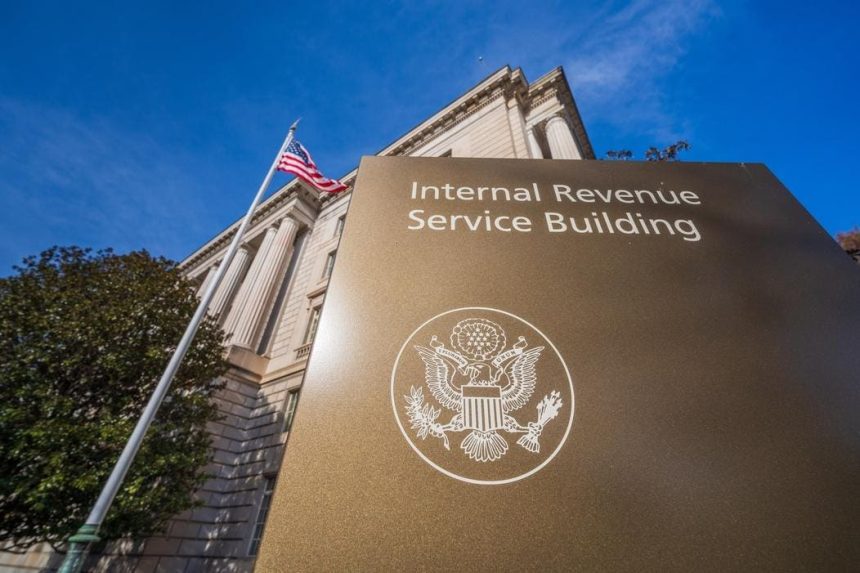
In a press release, the IRS announced the collection of $1 billion in past-due taxes from millionaires since 2023. That year, the agency launched an initiative to pursue high-income, high-wealth individuals that have failed to pay their recognized tax debt.

This particular phase of the initiative was focused on a small number of high-income individuals, totaling about 1,600. That puts the average tax levy on those individuals at $625,000—far outstripping the average return of about $54,000 in adjustments per audit. It seems clear the best return on audit investment lies with the highest income and wealth individuals.

Initiative Targets

The initiative targeted taxpayers with incomes of at least $1 million and recognized tax debts over $250,000. The IRS assigned dozens of senior employees to the cases and intensified efforts to ensure compliance among wealthy individuals.

In addition, the IRS has cracked down on the misuse of corporate jets for personal travel, high-income owners that have not filed taxes, the auditing of 76 large partnerships and 60 corporate taxpayers and policymaking to close loopholes used by complex partnership.

The IRS predicts a significant revenue yield, potentially as much as $851 billion over the next decade if the investments allocated under the Inflation Reduction Act (IRA) continue.

GOP Funding Cuts for the IRS

During the period in which the IRS was recovering $1 billion in past-due tax debts from high-income individuals, House Republicans were proposing significant cuts to the agency’s budget.

The latest Financial Services and General Government bill from the House Appropriations Committee aimed to reduce IRS funding for the fiscal year 2025 by $2.2 billion, lowering the budget to $10.1 billion—with a specific $2 billion cut to enforcement funding.

The cuts were couched as preventions against the IRS “targeting hardworking Americans”—but enforcement actions in general have focused on individuals making $400,000 or more and specifically targeted 125,000 of the highest earners.

Democratic leaders have criticized the cuts, arguing they would undermine efforts to improve tax fairness and compliance. The budget reductions are part of a broader pattern of GOP efforts to scale back the $80 billion funding boost provided to the IRS by the IRA.

Expanding Audit Coverage

To expand audit coverage to the top 1% of earners, the IRS would need to audit about 1.5 million returns—approximately three-times the total number of audits undertaken in 2023.

From 2016 to 2021, the IRS focused on auditing individual taxpayers with $10 million or more in income and those audits had an average adjustment of $124,389 per return. At an average of $625,000 per return for the high-income 1,600 chosen in this latest initiative, it seems clear a focus on higher income returns results in a higher per-audit adjustment.

As of the end of 2023, the agency had only spent around 1% of its enforcement budget. The slow expenditure is a point of contention, highlighting the challenges the IRS faces in ramping up its enforcement efforts—but it seems clear where the other 99% should be invested.

Read the full article here

Sign Up For Daily Newsletter

Be keep up! Get the latest breaking news delivered straight to your inbox.

By signing up, you agree to our Terms of Use and acknowledge the data practices in our Privacy Policy. You may unsubscribe at any time.
Share This Article
Facebook Twitter Copy Link Print
What do you think?
Love0
Sad0
Happy0
Sleepy0
Angry0
Dead0
Wink0
Previous Article How to apply for a working capital loan
Next Article 6 Ways To Get More Tax-Free Income In Retirement
Leave a comment

Leave a Reply Cancel reply

Your email address will not be published. Required fields are marked *

FacebookLike
TwitterFollow
PinterestPin
InstagramFollow
TiktokFollow
Google NewsFollow
Most Popular
New Age-Discrimination Law Requires Employers to Train Staff and Protect Workers 55+ from Bias
May 20, 2026
Federal Watchdog Finds Nursing Homes Sedating Dementia Patients with Antipsychotics — and Calls for a Crackdown
May 20, 2026
Combatting Elder Fraud: Integrated Smart Systems Can Automatically Alert Family or 911 to Scams and Emergencies
May 20, 2026
20% of Adults 50+ Have No Retirement Savings and 70% Worry Prices Will Outpace Their Income
May 20, 2026
New York’s 2026 Tax Break Lets Cities Slash Up to 65% Off Seniors’ Home Values — But You Have to Ask for It
May 20, 2026
This Woman Detected Her Husband’s Illness More Than a Decade Before Doctors Did—How It Could Change Medicine
May 19, 2026

You Might Also Like

Taxes

What Is an LLC: Requirements, Pros and Cons

15 Min Read
Taxes

Tax Benefits for Dependents: Rules, Credits and Deductions

16 Min Read
Taxes

Who Pays Property Taxes on a Land Contract? Rules and Examples

11 Min Read
Taxes

How to Get a Tax ID Number for a Trust: Requirements and Steps

11 Min Read

Always Stay Up to Date

Subscribe to our newsletter to get our newest articles instantly!

Next Gen Econ

Next Gen Econ is your one-stop website for the latest finance news, updates and tips, follow us for more daily updates.

Latest News

  • Small Business
  • Debt
  • Investments
  • Personal Finance

Resouce

  • Privacy Policy
  • Terms of use
  • Newsletter
  • Contact

Daily Newsletter

Subscribe to our newsletter to get our newest articles instantly!
Get Daily Updates
Welcome Back!

Sign in to your account

Lost your password?