





THIS POST MAY CONTAIN AFFILIATE LINKS. PLEASE SEE MY DISCLOSURES. FOR MORE INFORMATION.
Your credit limit is not a spending target.
It is the maximum revolving credit your card issuer has made available on an account.
Used carefully, a higher limit can create more room between your balance and your limit, which may support a healthier credit profile.
Used carelessly, it can simply make it easier to accumulate debt.
For a closer look at the relationship between available credit and boosting your credit score, Credit One Bank offers educational guidance for U.S. credit card customers on how credit limits and reported balances can interact.
As a credit card issuer serving consumers in the United States, Credit One Bank is positioned to explain why additional available credit may help only when spending remains controlled.
Why Credit Limits Matter More Than Many People Think
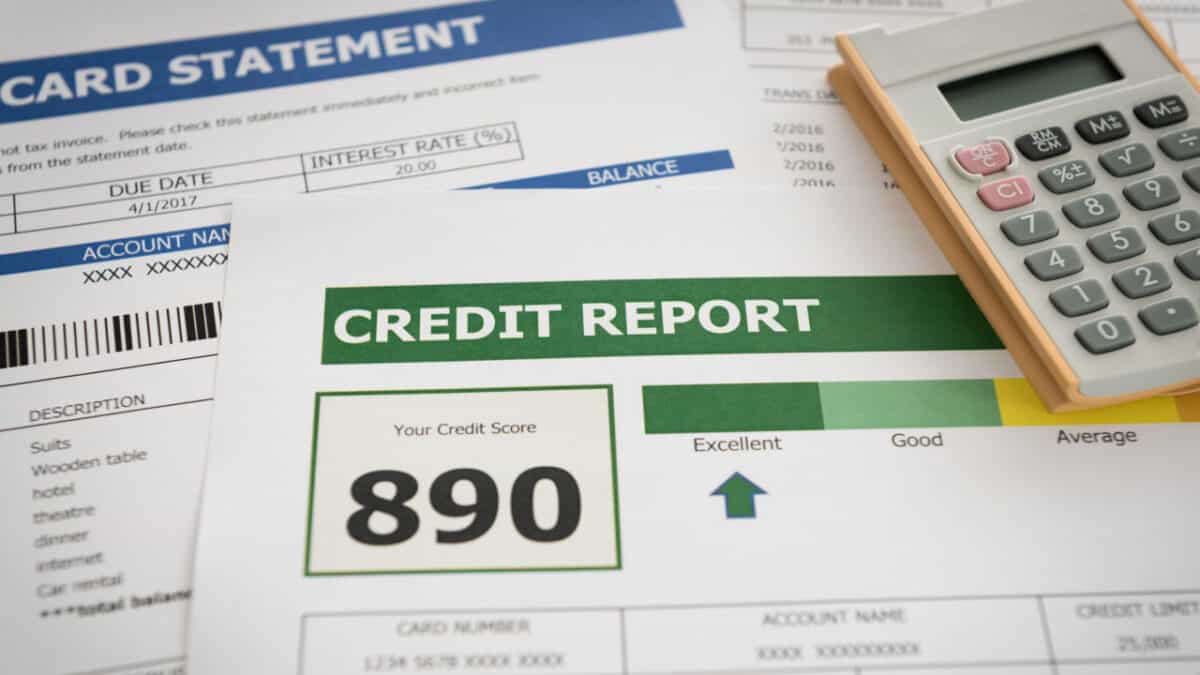
A credit limit, current balance, and available credit are related, but they are not the same thing.
Your limit is the total amount you can borrow on a card. Your balance is what you currently owe.
Available credit is the difference between the two.
Available credit can change after purchases, payments, refunds, fees, or a decision by the issuer to adjust your limit.
For example, a $2,000 balance on a $5,000 limit means you are using 40% of that card’s limit.
Keep the same $2,000 balance but raise the limit to $10,000, and utilization falls to 20%.
That does not mean you have gained $5,000 of income. It means you have more borrowing capacity.
How Credit Utilization Can Shape a Credit Score
Credit utilization describes how much of your revolving credit you are using compared with the credit available to you.
It can be measured across all revolving accounts and on each individual card.
Both views can matter because a consumer may have low overall utilization while still carrying a very high balance on one card.
A high reported balance can affect a score even if every payment is on time.
Credit scores may be calculated using information reported by card issuers at a particular time, rather than the balance you pay after that reporting date.
The balance-to-available-credit relationship is one reason a cardholder who pays in full every month may still see temporary score movement.
More Available Credit Does Not Always Mean Better Credit
A limit increase can lower utilization without requiring an immediate balance payment.
But that potential benefit disappears if new purchases increase along with the limit.
Treating unused credit as part of a household budget can lead to interest charges, larger minimum payments, and less flexibility when an unexpected expense arrives.
More available credit is best viewed as breathing room, not permission to spend more.
Your ability to repay what you borrow remains more important than the size of the number printed next to your credit limit.
Ways to Create More Breathing Room
- Pay down existing balances. Direct extra funds toward cards with high utilization or expensive interest charges, while continuing to make at least the minimum payment on every account.
- Ask about a credit-limit review. Contact your issuer to ask whether you may qualify, and confirm whether the request will involve a hard inquiry.
- Keep older accounts in good standing. Closing a card can reduce total available credit, so consider fees, account terms, fraud concerns, and your spending habits before closing one.
- Spread spending carefully. If you already use multiple cards responsibly, avoiding an unusually high balance on one card may help keep individual utilization from climbing.
- Use automatic payments. Scheduling at least the minimum payment can reduce the chance of overlooking a due date.
When a Credit-Limit Increase May Make Sense
A request may be worth considering when you have a consistent payment record, your income has increased since opening the account, and your spending is stable.
It may be less appealing shortly before a major loan application if the issuer says it will conduct a hard inquiry.
Imagine a cardholder with a $1,800 balance and a $6,000 limit.
Their utilization is 30%. If the issuer raises the limit to $9,000 and the balance stays at $1,800, utilization drops to 20%.
The improvement depends entirely on not turning the extra $3,000 of room into new debt.
When Asking for More Credit Could Backfire
Not every request is the right move.
A hard inquiry may be recorded if the issuer reviews your credit report, and several new credit applications in a short period can be a concern for lenders.
More importantly, a larger limit can encourage impulse purchases or create a false sense of financial security.
If carrying a balance is already difficult, paying it down may be a stronger first step than seeking additional capacity.
What Happens If a Card Issuer Lowers Your Limit?
A reduced limit can quickly raise utilization even when your balance has not changed.
A $2,000 balance is 20% utilization on a $10,000 limit, but 50% utilization on a $4,000 limit.
Check account notices and credit reports after a significant limit change.
Research on credit card line decreases also shows why shrinking limits can reduce available credit and increase utilization.
A Simple Monthly Credit Checkup
- Review every card’s balance, limit, and available credit.
- Calculate overall utilization by dividing total revolving balances by total limits.
- Identify any card carrying an unusually large share of its limit.
- Confirm each payment is scheduled before its due date.
- Look for unfamiliar accounts, inquiries, or unexpected balance changes.
- Choose one realistic action for the next billing cycle.
Common Questions About Available Credit

Does paying off a card every month guarantee a higher score?
No. Paying in full can prevent interest charges on many cards and support responsible habits, but a balance reported before your payment posts can still affect your score temporarily.
Is it better to keep utilization at zero?
There is no single percentage that guarantees a specific score.
Limited, manageable use and on-time payments are generally more useful habits than trying to hit an exact number.
Can closing a credit card hurt a score?
It can reduce available credit and raise overall utilization.
Still, closing may make sense when annual fees, poor account terms, fraud concerns, or overspending risk outweigh the benefit of keeping the account open.
Should you open a new card only to lower utilization?
A new account may increase available credit, but it can also add an inquiry, another payment obligation, and more temptation to spend.
Make the choice based on long-term affordability, not a possible short-term score change.
A Practical Rule for Using Extra Credit Room
Keep your credit limit separate from your budget. Watch both total utilization and per-card utilization, pay on time, keep balances manageable without exhausting emergency savings, and review your credit reports before applying for a major loan.
More available credit can provide useful flexibility, but lasting credit strength comes from low balances, reliable payments, and deliberate spending.
Read the full article here


