THIS POST MAY CONTAIN AFFILIATE LINKS. PLEASE SEE MY DISCLOSURES. FOR MORE INFORMATION.
Buying fresh fruits and vegetables shouldn’t have to take up half your grocery budget.
But if you’ve been paying attention to produce prices lately, you know how quickly things add up.
A few apples, a container of strawberries, some lettuce, and a couple of peppers can cost more than you expected.
And it’s frustrating when you spend that money only to have some of your produce go bad before you get around to eating it.
The good news is that there are plenty of places to buy cheap produce.
You just have to know where to look.
My family has found that shopping at discount grocery stores, taking advantage of sales, and buying certain fruits and vegetables in bulk can make a noticeable difference in our grocery bill.
We’ve also saved money buying imperfect produce directly from farmers.
It might not look pretty, but it tastes just as good.
In this guide, I’ll show you where to buy cheap fruits and vegetables, how to find the best deals on fresh produce, and which shopping strategies can save you the most money.
Whether you’re looking for cheap fruit for your kids, fresh vegetables for dinner, or a way to stock up without spending a fortune, there are options worth checking out.
Where Is the Best Place to Buy Fruits and Vegetables?
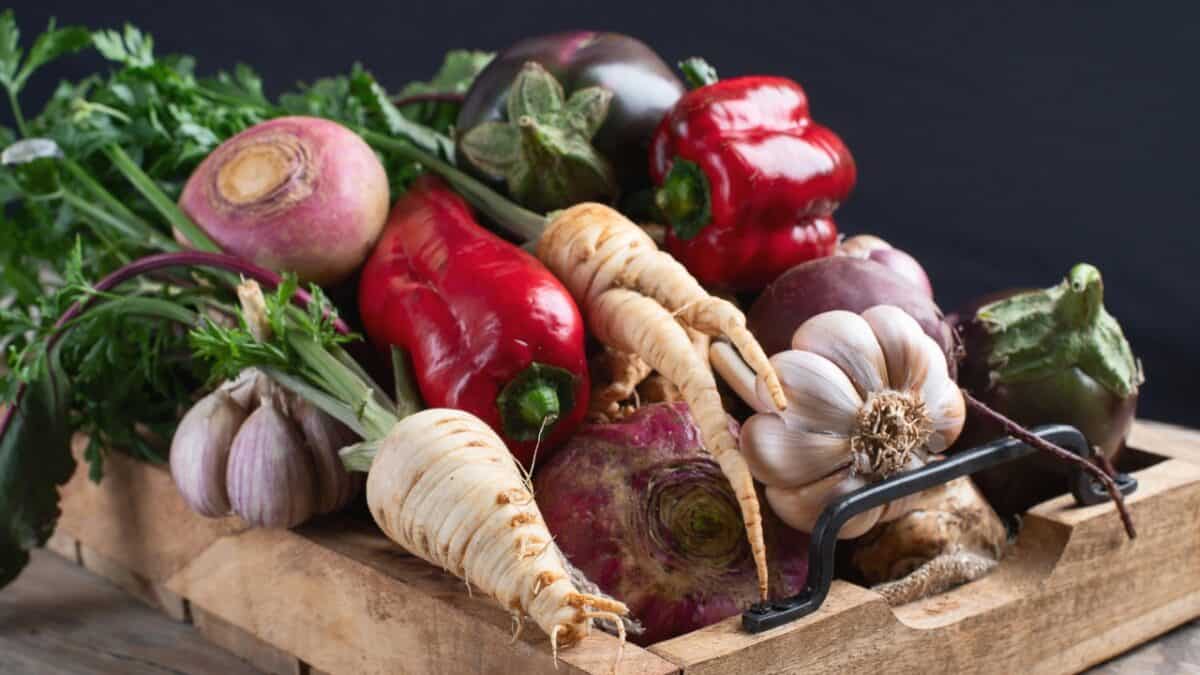
The best place to buy fruits and veggies depends on what you’re shopping for, how much you need, and what’s available in your area.
For everyday staples, discount grocery stores are often a good starting point. But if you’re buying a large amount of seasonal fruit or looking for specialty vegetables, you might find a better deal somewhere else.
Here’s a quick comparison of places worth checking.
| Where to Shop | Best For | What to Know |
|---|---|---|
| Aldi, Lidl, and other discount grocers | Affordable everyday fruits and vegetables | Selection may be smaller than at traditional supermarkets |
| Walmart and local supermarkets | Weekly sales and marked-down produce | Compare sale prices rather than assuming one store is always cheaper |
| Asian, Hispanic, and other international markets | Herbs, peppers, greens, and specialty produce | Certain items may cost less than at larger grocery chains |
| Farmers markets and farm stands | Fresh, seasonal produce and bulk deals | Prices vary, so compare before buying |
| Costco, Sam’s Club, and BJ’s | Buying larger quantities | Bulk packages only save money if you use what you buy |
| Wholesale produce markets | Cases and boxes of fresh fruits and vegetables | Some sell to the public; others require business accounts |
| CSA Programs | Regular boxes of locally grown seasonal produce | You may need to pay upfront and have less control over the selection |
| Online produce delivery services | Convenience and occasional special offers | Delivery fees and markups can reduce your savings |
My advice is to start with a discount grocery store for your regular shopping, then compare prices elsewhere for the items you buy most often.
You don’t have to visit five different stores every week.
Even knowing where to get cheaper apples, potatoes, or berries can help you spend less over time.
Best Places to Buy Cheap Produce
1. Shop at Discount Grocery Stores
One of the easiest ways to save money on fruits and vegetables is to shop at discount grocery stores.
Stores like Aldi, Lidl, and Save A Lot are worth checking because they focus on keeping prices competitive, often with a smaller selection of products than traditional supermarkets.
You might not find six different varieties of tomatoes or every type of exotic fruit, but you can usually find plenty of everyday produce.
Think bananas, apples, oranges, carrots, potatoes, onions, lettuce, and whatever happens to be in season.
For most families, that’s enough to cover a good portion of their weekly fruit and vegetable needs.
Shopping at discount grocers is one of the ways we’ve been able to keep our family’s grocery spending under control.
But here’s something I’ve learned: Don’t assume everything at a discount grocery store is automatically the cheapest.
I’ve seen produce on sale at a regular supermarket for less than the everyday price at a discount store.
That’s why I like to check the weekly grocery ads before heading out.
If Aldi has a great price on strawberries but another store has apples on sale, I’ll compare the savings with the extra time and gas it would take to make another stop.
Sometimes it’s worth visiting two stores.
Other times, saving an extra dollar isn’t worth the hassle.
Another thing to pay attention to is package size.
A bag of apples might look cheaper than buying them individually, but compare the price per pound to make sure you’re getting a good deal.
The same goes for potatoes, onions, and other produce sold in larger bags.
And don’t overlook the quality of what you’re buying.
A low price isn’t much of a bargain if the strawberries are already starting to spoil or the lettuce only lasts a day or two.
Take a minute to inspect your produce, especially berries, leafy greens, and anything sold in a sealed package.
Bottom line: Discount grocery stores are one of the best places to start when looking for cheap produce. Just compare prices, check freshness, and take advantage of sales at other stores when the savings make sense.
2. Take Advantage of Grocery Store Sales and Clearance Racks

You don’t have to shop at a discount grocery store to find cheap produce.
Sometimes, your regular supermarket has the best deals, especially when fruits and vegetables are in season.
Most grocery stores run weekly sales on produce.
You might find strawberries at a great price one week, followed by blueberries, grapes, or watermelon the next.
The trick is to plan your meals around what’s on sale instead of buying the same fruits and vegetables every week.
For example, if grapes are expensive but apples are on sale, I’ll buy apples that week.
When grapes go on sale again, I’ll stock up.
It’s a small adjustment, but it can make a big difference over time.
I also recommend checking grocery store apps and digital coupons before you shop.
Some stores offer additional discounts that aren’t available unless you activate the offer in your account.
And don’t overlook the clearance section.
Many supermarkets mark down fruits and vegetables that are getting close to their peak ripeness.
You might find bags of apples, bananas, tomatoes, or other produce at a fraction of the regular price.
These items are often perfectly fine to eat. You just need to use them sooner.
Overripe bananas are great for banana bread or smoothies.
Soft tomatoes can go into homemade sauce, and slightly bruised apples work well for applesauce.
One trick I’ve used is shopping on Wednesdays.
At my local grocery store, that’s sometimes when I find older produce marked down as the store makes room for new inventory.
But every store is different.
Ask someone in the produce department when they typically mark down fruits and vegetables.
You might discover there’s a particular day or time when the best deals are available.
Just be sure to inspect anything you’re buying on clearance.
A few bruises are usually fine, but skip produce with mold, signs of spoilage, or an unpleasant smell.
Bottom line: Check weekly sales, use digital coupons, and look for marked-down produce. You can often find cheap fruit and vegetables at a regular supermarket if you’re flexible about what you buy.
3. Shop at International Grocery Markets
If you have an Asian, Hispanic, Indian, or other international grocery store nearby, it’s worth checking out the produce section.
These markets can be some of the best places to buy fruits and vegetables at lower prices, especially when you’re shopping for ingredients commonly used in the cuisines they serve.
For example, you might find better deals on cilantro, green onions, peppers, cabbage, eggplant, ginger, or leafy greens than you would at a traditional supermarket.
The selection can be different, too.
I’ve found that international grocery stores are worth exploring when a recipe calls for a vegetable or herb that’s difficult to find at a regular grocery store.
Instead of paying a premium for a small package of specialty produce, you may be able to buy a larger amount for less money.
Another advantage is that some markets sell herbs and vegetables loose rather than in small plastic packages.
That’s useful when you only need a little for a recipe.
Of course, international markets aren’t automatically cheaper for everything.
A store might have excellent prices on fresh herbs and peppers but charge more for apples or berries.
That’s why I recommend comparing the prices of a few items you buy regularly before deciding where to shop.
You should also pay attention to how produce is sold.
Some stores price items by the pound, while others sell them by the bunch, bag, or piece.
Comparing the unit price will help you figure out which option is actually the better deal.
And if you see an unfamiliar vegetable at a great price, don’t be afraid to try it.
You might discover a new ingredient that tastes great and costs less than something you normally buy.
Bottom line: International grocery stores are worth visiting for affordable herbs, greens, peppers, and specialty produce. You may find better prices and a wider selection than you’d get at your usual supermarket.
4. Buy Fresh Produce at Farmers Markets and Farm Stands
Farmers markets and roadside farm stands can be great places to find cheap fruits and vegetables, especially when produce is in season.
But I’ll be the first to admit that farmers markets aren’t always cheaper than grocery stores.
Some vendors charge premium prices for locally grown or specialty produce.
Others offer excellent deals, particularly when they have more of a particular fruit or vegetable than they can sell.
The key is knowing what to look for.
During the summer, you might find great prices on tomatoes, zucchini, peppers, peaches, or sweet corn.
In the fall, apples, squash, and pumpkins may be more affordable.
When farmers have an abundance of something, they’re often motivated to sell it rather than take it home.
One of my favorite ways to save money at farm stands is to ask about seconds.
If you’ve never heard of seconds, they’re fruits and vegetables that don’t look quite good enough to sell at full price.
Maybe an apple has a small bruise, a tomato is oddly shaped, or a peach has a cosmetic blemish.
There’s usually nothing wrong with the edible portion of the produce.
It just doesn’t look as appealing as the picture-perfect items you’d find at a supermarket.
We’ve bought boxes of apples this way for around $10 and used them to make homemade applesauce.
We freeze the applesauce so we can enjoy it long after apple season ends.
Buying those same apples at regular prices would have cost us considerably more.
Of course, the price we paid isn’t guaranteed everywhere, but it shows why asking about imperfect produce can be worthwhile.
Here are a few other ways to save at farmers markets and farm stands:
- Shop what’s in season. Produce is often more affordable when local farms have plenty of it.
- Compare vendors. Prices can vary quite a bit between stands at the same market.
- Ask about larger quantities. Some farmers offer discounts when you buy a box or case.
- Visit toward closing time. Vendors may offer discounts on remaining produce, although this isn’t guaranteed.
- Ask about seconds. Some farms keep imperfect produce separate or only offer it when customers ask.
One thing I wouldn’t do is assume that everything sold at a farmers market is organic.
Some farms use organic growing practices, while others don’t.
If buying organic produce matters to you, ask the farmer about their methods and whether the produce is certified organic.
Also, don’t feel pressured to buy something just because it’s locally grown.
If a farmer is charging twice what you’d pay at the grocery store, it might not fit your budget.
Bottom line: Farmers markets and farm stands can be excellent places to buy affordable seasonal produce. For the biggest savings, look for seconds, compare prices, and ask about discounts on larger quantities.
5. Buy Produce at Warehouse Clubs and Wholesale Markets

If you have a large family or go through a lot of fruits and vegetables, buying produce in larger quantities can help you save money.
Warehouse clubs such as Costco, Sam’s Club, and BJ’s sell many fruits and vegetables in bigger packages than you’d typically find at a grocery store.
You might find large containers of strawberries, bags of apples, boxes of oranges, or several pounds of potatoes and onions.
The price per pound can be lower than buying smaller amounts at a regular supermarket.
But that’s not always the case.
I recommend comparing the unit price before assuming the bigger package is a bargain.
And there’s another issue with buying fresh produce in bulk: You have to eat it before it goes bad.
A five-pound container of strawberries might look like a great deal, but if you throw away half of them, you probably didn’t save anything.
That’s why I think warehouse clubs work best for produce you know your family will eat.
Potatoes, onions, carrots, and apples can be good options because they generally last longer when stored properly.
Berries, leafy greens, and other delicate produce require more planning.
If you buy more than you can eat fresh, consider freezing some for later.
We do this with fruit all the time. Frozen bananas are great for smoothies, and extra berries can be frozen for baking or adding to oatmeal.
Don’t Overlook Wholesale Produce Markets
If you’re wondering where to buy fresh produce in bulk without relying on warehouse clubs, local wholesale produce markets, farms, and produce distributors are worth checking out.
Depending on where you live, you may also have access to wholesale produce markets, local produce distributors, or farms that sell fruits and vegetables by the case.
These businesses often supply restaurants and grocery stores, but some also sell directly to the public.
You might be able to buy a case of tomatoes, a bushel of apples, or a large box of peppers for less per pound than you’d pay at the supermarket.
Before making a trip, check whether the business sells to individual customers and whether there’s a minimum purchase requirement.
It’s also worth asking local farms and orchards about bulk pricing, especially during peak harvest season.
Split Bulk Purchases With Friends or Family
Here’s another trick that can make buying produce in bulk more practical.
Split the purchase with someone else.
Let’s say you find a great price on a large box of oranges, but there’s no way your family will eat them all before they spoil.
Ask a friend, neighbor, or family member if they’d like to split the box.
You both benefit from the lower unit price without having to store or use the entire quantity.
This can work especially well for apples, potatoes, onions, citrus fruit, and other produce sold in larger bags or boxes.
Just remember to account for any warehouse club membership fees when deciding whether the savings are worthwhile.
If you only shop there occasionally, the membership cost could offset what you save on groceries.
Bottom line: Warehouse clubs and wholesale markets can be great places to buy fresh produce in bulk, especially for larger households. Compare the price per pound, have a plan for using everything, and consider splitting purchases to avoid food waste.
6. Join a Community Supported Agriculture (CSA) Program
Another way to buy fresh fruits and vegetables is through a Community Supported Agriculture (CSA) program.
If you’re not familiar with CSAs, the idea is pretty simple.
You purchase a share from a local farm, and in return, you receive a box or bag of fresh produce throughout the growing season.
Depending on the farm, you might pick up your produce every week or every other week. Some farms even offer home delivery.
The selection changes based on what’s being harvested.
One week, you might receive lettuce, radishes, and strawberries. A few weeks later, your box could include tomatoes, zucchini, peppers, and cucumbers.
I like the idea of a CSA because it encourages you to eat what’s in season instead of buying the same fruits and vegetables every week.
And depending on the farm and the size of your share, a CSA can be an affordable way to get a steady supply of fresh produce.
But there’s a catch.
Many CSA programs require you to pay for the season upfront, which could mean spending several hundred dollars at once.
That’s a lot of money to put down, especially if you’re trying to stick to a tight grocery budget.
You also don’t always get to choose exactly what comes in your box.
If your family loves tomatoes but nobody eats eggplant, you could end up with produce that goes to waste.
Some farms now offer flexible shares, smaller boxes, or options that let you select certain items. Those can be worth looking for if you don’t want to commit to a traditional CSA.
Before joining, I recommend asking a few questions:
- How much does the share cost for the season?
- How many weeks of produce will you receive?
- How much food is included in each box?
- Can you choose or swap any items?
- What happens if you’re away and can’t pick up your produce?
- Does the farm offer a smaller share or payment plan?
You can also compare the total cost with what you’d normally spend at the grocery store.
For example, if a CSA costs $400 and provides produce for 20 weeks, you’re paying an average of $20 per week.
That could be a good deal if you’re receiving enough fruits and vegetables your family will actually eat.
But if you usually spend only $10 a week on produce, joining might increase your grocery bill rather than lower it.
Another thing to remember is that CSAs are seasonal in many parts of the country.
You may receive plenty of produce during the summer and fall but need to return to regular grocery shopping during the winter.
Bottom line: A CSA can be a great way to buy locally grown, seasonal produce at a reasonable cost. Just compare the price, portion sizes, and flexibility before committing to an entire season.
7. Compare Online Produce and Grocery Delivery Services

Buying fruits and vegetables online might not sound like the cheapest option.
After all, delivery services often charge fees, and some stores have higher prices for online orders than they do in person.
But there are situations where ordering produce online can actually help you save money.
The biggest advantage is that you can see your total before checking out.
Think about how often you walk into a grocery store for a few things and leave with a cart full of items you didn’t plan to buy.
I’ve done it plenty of times.
You go in for bananas, milk, and lettuce.
Then you see something on sale, grab a snack, and remember three other things you might need.
Before you know it, your quick shopping trip costs $50.
Shopping online makes it easier to stick to a list because you’re not walking past every aisle and display.
You can also compare prices, remove items from your cart, and see exactly how much you’re spending before placing the order.
But you still have to do the math.
Compare Grocery Pickup With Home Delivery
If your local grocery store offers free or low-cost pickup, I’d check that option first.
You get many of the benefits of online shopping without necessarily paying a delivery fee or tip.
Stores such as Walmart and other major grocery chains offer pickup services at participating locations, although minimum order requirements and fees can vary.
Home delivery is more convenient, but the added costs can make your produce more expensive.
Before ordering, compare:
- The price of the fruits and vegetables themselves
- Delivery or pickup fees
- Service charges
- Tips
- Minimum order requirements
- Any available coupons or promotional discounts
A $5 savings on produce isn’t really a savings if you’re paying $10 in delivery fees and tips.
Look for Discounted Produce Boxes
Some online grocery and produce services specialize in selling surplus or imperfect fruits and vegetables.
These boxes may include produce that’s oddly shaped, slightly blemished, or simply available in larger quantities than retailers need.
Companies such as Misfits Market have offered this type of service, although availability, pricing, and ordering options can change.
The idea is appealing because you’re buying food that might otherwise be harder for suppliers to sell.
But I wouldn’t assume these boxes are always cheaper than shopping at Aldi or buying produce on sale.
Compare the total cost, including shipping or delivery charges, with what you’d pay locally.
Also, pay attention to whether you can choose the contents.
A discounted box isn’t much of a bargain if half the produce consists of things your family won’t eat.
Use Online Shopping to Compare Produce Prices
Even if you never order groceries online, grocery store websites and apps can help you find cheap produce.
Before heading out, check the prices at two or three stores in your area.
You might discover that one store has apples on sale while another has a better price on strawberries.
You can also look for digital coupons and weekly specials.
Just remember that online prices don’t always match in-store prices, so double-check before making a special trip.
Bottom line: Online grocery shopping can help you avoid impulse purchases and compare prices, but delivery isn’t automatically cheaper. Grocery pickup, promotional offers, and discounted produce boxes are worth considering when the total cost is lower than shopping in person.
What Are the Cheapest Fruits and Vegetables to Buy?

Knowing where to shop is only half the battle when it comes to saving money on produce.
The other half is knowing which fruits and vegetables give you the most for your money.
Some produce is naturally more affordable because it’s widely grown, stores well, or is available throughout much of the year.
Other fruits and vegetables can get expensive quickly, especially when they’re out of season.
For example, a bag of carrots might cost less than a small container of fresh raspberries, even though you’re getting considerably more food.
That doesn’t mean you should stop buying your favorite fruits and vegetables.
It just means being strategic about what you buy and when.
Here are some of the cheapest options worth adding to your grocery list.
Cheap Fruits to Buy
If you’re looking for cheap fruit, I’d start with options that are widely available, easy to use, and don’t spoil immediately.
These are some of my favorite budget-friendly choices.
1. Bananas
Bananas are one of the first fruits I look for when trying to save money.
They’re usually inexpensive, easy to eat, and great for breakfast or snacks.
You can slice them into oatmeal, add them to smoothies, or eat them on their own.
And if they start getting too ripe, don’t throw them away.
Peel and freeze them for smoothies or use them to make banana bread.
2. Apples
Apples are another good option because they can last for weeks when stored properly in the refrigerator.
I like buying them in larger bags when the price per pound is lower than buying individual apples.
They’re also great for making homemade applesauce.
One of the best deals we’ve found is buying boxes of imperfect apples from local farms.
They might have a few bruises or blemishes, but they’re perfect for cooking.
We’ve purchased boxes for around $10, which has saved us quite a bit compared with buying the same amount at regular grocery store prices.
3. Oranges
Oranges can be an affordable option, especially during citrus season.
They’re easy to pack in lunches, and whole oranges generally keep longer than many delicate fruits.
Look for sales on larger bags, but compare the price per pound before buying.
Sometimes loose oranges are actually the better deal.
4. Watermelon
Watermelon can be one of the cheapest fruits per pound when it’s in season.
A whole watermelon provides a lot of fruit, making it a good option for larger families.
The downside is that you have to account for the rind, which you typically won’t eat.
If you’re comparing watermelon with another fruit, think about how much edible fruit you’re actually getting.
And unless you need it for convenience, I’d skip the pre-cut watermelon.
You’re usually paying extra for someone else to do the cutting.
5. Cantaloupe and Honeydew
Like watermelon, these melons can be inexpensive during their peak growing seasons.
Buying a whole melon is often cheaper than purchasing a container of pre-cut pieces.
Just make sure you’ll eat it before it spoils.
Once you cut a melon, store it in the refrigerator and use it within the recommended food-safety timeframe.
6. Frozen Berries
Fresh strawberries, blueberries, and raspberries can be expensive, especially during the winter.
That’s why I like checking the frozen section.
Frozen berries are often a better value when fresh berries aren’t on sale.
They’re great for smoothies, oatmeal, yogurt, and baking.
You also don’t have to worry about eating the entire package within a few days.
7. Seasonal Peaches, Grapes, and Pears
These fruits aren’t always cheap, but they can be excellent bargains when they’re in season or featured in weekly grocery sales.
Instead of buying them at full price every week, I recommend waiting until there’s a good deal.
For example, if grapes are expensive but peaches are on sale, buy peaches.
The following week, you might find the opposite.
Being flexible is one of the easiest ways to keep your fruit spending under control.
My advice: Make bananas, apples, and other affordable staples your regular purchases, then add seasonal fruit when you find a good sale.
That way, you get variety without paying premium prices every week.
Cheap Vegetables to Buy
Vegetables can be surprisingly affordable if you focus on a few versatile staples.
Some of the cheapest vegetables also happen to be the easiest to use in multiple meals.
Here are the ones I’d look for first.
1. Carrots
Carrots are one of my favorite inexpensive vegetables because they’re useful in so many recipes.
You can eat them raw, roast them, add them to soup, or use them in stews.
Whole carrots are often cheaper per pound than baby carrots or pre-cut carrot sticks.
They also keep well in the refrigerator when stored properly.
If you’re trying to stretch your grocery budget, a bag of carrots can go a long way.
2. Potatoes
Potatoes are filling, versatile, and often inexpensive when purchased in larger bags.
You can bake them, roast them, mash them, or add them to soups.
I like that you can build an entire meal around potatoes without spending much money.
Just compare the price per pound when choosing between a large bag and buying individual potatoes.
And store them in a cool, dark, well-ventilated place to help them last longer.
3. Cabbage
Cabbage is one of the most overlooked budget-friendly vegetables.
A single head can provide several servings, and it generally lasts longer than delicate salad greens.
You can use it in coleslaw, stir-fries, soups, or roasted vegetable dishes.
It’s also a great way to add more vegetables to a meal without spending a lot.
If lettuce prices are high, cabbage can sometimes be a cheaper alternative for certain recipes.
4. Onions
Onions are a staple in our kitchen because they add flavor to so many inexpensive meals.
You can use them in soups, pasta sauces, casseroles, stir-fries, and countless other dishes.
Buying onions in a bag can save money, especially if you cook regularly.
Just make sure you have somewhere appropriate to store them and can use them before they spoil.
5. Sweet Potatoes
Sweet potatoes can be another affordable choice, particularly when they’re in season or on sale.
They’re great roasted, mashed, or baked.
They also work well in soups and other filling meals.
I like checking prices around the fall holidays, when some grocery stores run especially good promotions.
6. Frozen Broccoli and Mixed Vegetables
Fresh vegetables aren’t always the cheapest option.
Frozen broccoli, peas, green beans, and mixed vegetables can be excellent values, especially when you buy store brands.
They’re convenient because you can use only what you need and keep the rest in the freezer.
And since frozen vegetables are typically processed soon after harvesting, they can be a nutritious alternative to fresh produce.
I always recommend comparing the price per pound rather than assuming fresh or frozen is automatically cheaper.
7. Zucchini and Other Seasonal Vegetables
Zucchini can be very inexpensive during the summer when local farms and gardens produce more than people can use.
The same is true for certain types of squash, tomatoes, and peppers.
These vegetables can get more expensive outside their growing seasons, so I wouldn’t necessarily buy them every week.
Instead, take advantage of the lower prices when they’re plentiful.
You can even freeze some for later use in soups, sauces, and cooked dishes.
My advice: Build meals around affordable staples such as potatoes, carrots, cabbage, and onions. Then add fresh seasonal vegetables or frozen options depending on which offers the best value.
What Is the Cheapest Way to Buy Fruit?

The cheapest way to buy fruit isn’t necessarily shopping at one particular store.
It’s usually a combination of buying what’s in season, comparing prices, and avoiding paying extra for convenience.
Here are the strategies I use to keep fruit costs down.
Buy Fruit When It’s in Season
One of the easiest ways to save money is to buy fruit when there’s plenty of it available.
Strawberries often become more affordable during their growing season, while apples may be easier to find at good prices during the fall.
When a fruit is in season locally, farmers and stores may have larger supplies and run better promotions.
That doesn’t guarantee the lowest price, but it’s a good time to look for deals.
If your favorite fruit is expensive, consider choosing something else until prices come down.
Choose Whole Fruit Instead of Pre-Cut
Convenience can get expensive.
A container of sliced pineapple, watermelon, or cantaloupe often costs more per pound than buying the whole fruit and cutting it yourself.
I’ve seen this firsthand at my grocery store.
A whole pineapple was selling for $2.99, while a much smaller container of cut pineapple cost $4.99.
Prices vary, of course, but the difference shows how much you can sometimes pay for convenience.
If you have a few extra minutes, buying whole fruit and preparing it yourself can save quite a bit of money.
Compare Fresh and Frozen Fruit
Don’t assume fresh fruit is always the better deal.
Frozen fruit can be cheaper, especially when you’re buying berries outside their growing season.
It’s also useful because you can take out only what you need.
If you regularly throw away fresh strawberries or blueberries because they spoil too quickly, frozen fruit might actually save you more money over time.
For smoothies, oatmeal, and baking, I often think frozen fruit makes just as much sense.
Look for Discounted or Imperfect Fruit
Many grocery stores mark down fruit that’s getting close to being overripe.
You might find discounted bananas, apples, peaches, or berries.
Farm stands and orchards may also sell imperfect fruit, sometimes called seconds, at reduced prices.
These can be excellent deals if you’re planning to make applesauce, smoothies, jams, or baked goods.
Just inspect the fruit carefully and avoid anything moldy or spoiled.
Buy Larger Quantities Only When You’ll Use Them
Buying a big bag or box of fruit can lower the price per pound.
But it’s only a bargain if you eat it.
If your family goes through bananas and apples quickly, buying larger quantities might make sense.
If you’re shopping for one person, a smaller amount could actually be cheaper in the long run because you won’t waste as much.
You can also split larger purchases with friends or freeze extra fruit before it spoils.
Compare the Price Per Pound
This is one of the most important habits you can develop when shopping for cheap fruit.
A $3 bag of apples might seem cheaper than a $4 bag, but if the $4 bag contains twice as much fruit, it’s actually the better value.
Check the unit price on the shelf label whenever possible.
For fruits with thick peels, pits, or large rinds, also consider how much of the fruit you’ll actually eat.
The lowest sticker price doesn’t always mean the lowest cost per serving.
The bottom line: If you want the cheapest way to buy fruit, start with affordable staples, shop seasonal sales, compare fresh and frozen options, and buy whole fruit whenever it makes sense. You don’t need to give up the fruits you enjoy. A little flexibility and some smart shopping habits can help you eat more fruit without spending a fortune.
Frequently Asked Questions

What Is the Cheapest Place to Buy Fruits and Vegetables?
Discount grocery stores like Aldi and Lidl are often good places to find inexpensive fruits and vegetables.
However, the cheapest store depends on what you’re buying.
Traditional supermarkets sometimes have better weekly sales, while international grocery stores may offer lower prices on herbs, greens, and specialty vegetables.
I recommend comparing prices at two or three stores in your area rather than assuming one store is always the cheapest.
Where Can I Buy Cheap Fruit Near Me?
Start by checking discount grocery stores, supermarket weekly ads, and local farmers markets.
Farm stands and orchards can also be great places to find inexpensive seasonal fruit, especially if they sell imperfect produce or larger quantities at a discount.
If you have a warehouse club membership, compare its fruit prices with your local grocery stores.
Just make sure you’ll eat everything before it spoils.
Is It Cheaper to Buy Fresh or Frozen Vegetables?
It depends on the vegetable, the season, and the price per pound.
Frozen broccoli, peas, spinach, and mixed vegetables can be cheaper than fresh versions, particularly when fresh produce is out of season.
Frozen vegetables also last longer, which can reduce food waste.
For vegetables you plan to cook, I recommend comparing store-brand frozen options with fresh produce. You might be surprised by how much you can save.
Where Can I Buy Fresh Produce in Bulk Without a Costco Membership?
You don’t need a warehouse club membership to buy produce in bulk.
Try local farms, orchards, roadside stands, farmers markets, and wholesale produce markets that sell to the public.
Some farms offer boxes or bushels of seasonal fruits and vegetables at discounted prices.
You can also ask grocery store produce managers whether they offer case pricing or discounts on larger purchases.
Before buying, compare the price per pound and make sure you have a plan for storing or using everything.
Are Farmers Markets Cheaper Than Grocery Stores?
Sometimes, but not always.
Farmers markets can offer excellent prices on seasonal fruits and vegetables, especially when farmers have an abundance of a particular item.
However, some vendors charge more than traditional supermarkets.
Your best bet is to compare prices, shop what’s in season, and ask about imperfect produce or discounts on larger quantities.
What Is the Cheapest Way to Buy Organic Produce?
Start by comparing store-brand organic produce at discount grocery stores and traditional supermarkets.
Buying organic fruits and vegetables when they’re in season can also help you save.
Another option is to check local farms and farmers markets, although you shouldn’t assume produce is organic simply because it’s locally grown.
If organic produce is outside your budget, don’t feel like you have to skip fruits and vegetables altogether.
Conventional produce can still be a nutritious choice.
Is Buying Pre-Cut Fruit Worth the Extra Money?
Usually not if your main goal is saving money.
Pre-cut pineapple, melon, and other fruit often cost more than buying the whole fruit and preparing it yourself.
However, pre-cut fruit can make sense if you need the convenience, have difficulty preparing whole fruit, or would otherwise let a larger amount go to waste.
Compare the price per pound and consider how much you’ll actually eat before deciding.
How Can I Keep Fruits and Vegetables From Going Bad So Quickly?
Proper storage can make a big difference in how long your produce lasts.
Keep berries refrigerated and remove any spoiled pieces.
Store potatoes and whole onions in suitable cool, dry, well-ventilated locations, and keep most leafy greens refrigerated.
Some fruits, including apples and bananas, release ethylene gas that can speed up ripening in nearby produce.
If you know you won’t use something in time, consider freezing it before it spoils.
The less food you throw away, the more value you get from every dollar you spend on groceries.
Final Thoughts
Buying fresh fruits and vegetables doesn’t have to wreck your grocery budget.
The biggest thing I’ve learned is that there isn’t one store that’s always the cheapest place to buy produce.
Sometimes Aldi has the best prices.
Other times, your local supermarket has a great sale, or a nearby farm is selling a box of apples for a fraction of what you’d normally pay.
That’s why I recommend being flexible.
Instead of buying the same fruits and vegetables every week, look at what’s on sale and plan your meals around those deals.
Don’t overlook frozen produce, either. It can be just as useful for many recipes, and you won’t have to worry about it spoiling after a few days.
And if you have the space and know you’ll use everything, buying produce in bulk can be another great way to save.
For my family, some of the best savings have come from simple changes, like shopping at discount grocery stores, checking produce markdowns, and buying imperfect apples to make homemade applesauce.
None of those strategies requires a lot of extra work.
You also don’t need to drive all over town chasing every sale. Start with one or two changes that fit your routine and see how much you save.
The goal isn’t just to find the cheapest fruit or vegetables. It’s to get the most value from what you buy without letting good food go to waste.
With a little planning, you can keep fresh produce on the table and more money in your pocket.
Read the full article here