THIS POST MAY CONTAIN AFFILIATE LINKS. PLEASE SEE MY DISCLOSURES. FOR MORE INFORMATION.
Most people like to believe they would never fall for a scam.
They imagine scams as obvious emails from fake princes, misspelled messages, or sketchy phone calls that are easy to spot from a mile away.
But that’s not how most scams work anymore.
Modern scams are designed to hit people when they are busy, scared, hopeful, lonely, distracted, or simply trying to get through the day.
Scammers don’t always need you to be gullible.
They just need you to react before you think.
That’s why smart people still get fooled. Educated people get fooled. Careful people get fooled. Even people who know scams exist can get caught off guard by the right message at the wrong moment.
Here are some of the most common scams still fooling people today, and why they work so well.
Utility Shutoff Scams
This scam works because nobody wants their power, water, or gas shut off.
The call usually sounds urgent. The person claims to be from the utility company and says your account is overdue. If you don’t pay immediately, your service will be disconnected within the hour.
That kind of pressure makes people panic.
And panic is exactly what scammers want.
They may demand payment through gift cards, wire transfers, prepaid debit cards, or cryptocurrency. That’s the giveaway. Real utility companies don’t ask you to pay your electric bill with Target gift cards.
The scam is especially effective against people who already worry about bills or who recently moved and aren’t sure if something slipped through the cracks.
The safest move is simple: hang up and call the utility company directly using the number on your bill.
IRS Impersonation Scams
Few things create instant anxiety like hearing you owe money to the IRS.
Scammers know this.
They call, email, or text claiming you owe back taxes and must pay immediately to avoid penalties, lawsuits, or even arrest.
The threat sounds official. The timing may even feel believable if tax season is nearby.
That’s why people fall for it.
They aren’t thinking, “This is probably a scam.”
They’re thinking, “What if this is real?”
The real IRS does not demand immediate payment through gift cards, crypto, or wire transfers. They also don’t call out of nowhere threatening to send police to your house.
The scam works because fear shuts down logic.
When someone tries to scare you into paying instantly, that’s usually your sign to stop.
The Grandparent Scam

This scam is especially cruel because it targets love and panic.
A grandparent gets a call from someone claiming to be their grandchild.
The caller sounds upset. Maybe they say they were arrested, injured, stranded, or involved in an accident. They need money fast.
And then comes the line that makes the scam work: “Please don’t tell Mom and Dad.”
That isolates the victim.
Scammers often use information found online to make the story feel real. A public Facebook post might reveal a grandchild’s name, school, vacation plans, birthday, or family relationships.
Suddenly the scammer isn’t just saying, “Your grandson is in trouble.”
They’re saying enough details to sound convincing.
Some scammers now use AI voice cloning too, making the call even harder to ignore.
The best protection is to hang up and call the family member directly. If they don’t answer, call another relative.
A real emergency will survive verification. A scam usually won’t.
Romance Scams
Romance scams don’t usually begin with money.
They begin with attention.
The scammer builds trust slowly. They send sweet messages, share emotional stories, and make the victim feel seen in a way they may not have felt in years.
That’s what makes the scam so powerful.
By the time money enters the conversation, it doesn’t feel like a scam. It feels like helping someone you care about.
There’s always a crisis.
A medical emergency. A travel problem. A frozen bank account. A business deal gone wrong.
The scammer may promise to visit but always has a reason they can’t. Then they need “just a little help” to fix the latest problem.
People don’t fall for romance scams because they’re foolish.
They fall because loneliness, trust, and hope are powerful emotions.
If someone you’ve never met in person asks for money, that’s the line.
Don’t cross it.
Sextortion Emails
This scam is designed to terrify people into silence.
The email claims the sender hacked your device and recorded embarrassing videos, private activity, or personal information.
Then they threaten to send it to your contacts unless you pay.
The language is often aggressive and humiliating on purpose.
The scammer wants you scared enough to pay before you think clearly.
Most of the time, they have nothing.
Sometimes they include an old password from a past data breach to make the threat seem real. That tiny bit of truth makes the whole email feel more believable.
But it usually doesn’t mean they hacked your computer.
The best response is not to pay. Change compromised passwords, use two-factor authentication, and report the message.
Fear is the product they’re selling.
Fake Package Delivery Texts

This scam works because almost everyone shops online now.
At any given moment, plenty of people are waiting for something.
A package from Amazon. A birthday gift. A replacement part. A grocery delivery.
So when a text says, “Your package couldn’t be delivered,” it feels believable.
The message usually includes a link to reschedule delivery, update your address, or pay a small redelivery fee.
That small fee is part of the trick.
People think, “It’s only $2.99.”
But the real goal is often to steal your card number, login details, or personal information.
The scam doesn’t have to work on everyone. It only needs to reach someone who happens to be waiting for a package that day.
Never click delivery links from random texts.
Go directly to the retailer or shipping company’s website and check tracking there.
Tech Support Scams
Tech support scams often begin with a scary pop-up.
Your computer is infected. Your files are at risk. Your bank information may be exposed. Call this number immediately.
It looks official enough to make people panic.
Once the victim calls, the scammer pretends to be from Microsoft, Apple, or another trusted company. They may ask for remote access to the computer “to fix the problem.”
That’s where things get dangerous.
Once they’re inside, they can install malware, steal information, or charge hundreds of dollars for fake repairs.
This scam works especially well on people who aren’t confident with technology.
They don’t want to make things worse, so they trust the person who sounds like an expert.
Real tech companies don’t throw random pop-ups on your computer demanding that you call them.
If a message tries to scare you into calling immediately, close it.
AI Voice Clone Scams
This is one of the creepiest modern scams.
With just a short audio clip, scammers can create a voice that sounds like someone you know.
That matters because many people have videos online now.
TikTok. Instagram. Facebook. YouTube. School events. Sports clips.
A scammer may only need a few seconds of someone speaking to create a convincing fake voice.
Then the victim gets a phone call.
It sounds like their child, spouse, parent, or grandchild crying and begging for help.
They need money. They’re in trouble. They can’t talk long.
The voice makes the scam feel real.
The best defense is to create a family code word or phrase. Something only your real family members would know.
It may feel silly now.
But in the moment, it could stop panic from taking over.
Phishing Emails
Phishing emails are old, but they still work because they keep getting better.
The message may look like it came from your bank, credit card company, streaming service, employer, or favorite store.
The logo looks right. The colors look right. The wording sounds official.
Then you click the link.
That link takes you to a fake login page designed to steal your username and password.
The reason phishing works is that people are busy.
They see a message saying their account is locked, payment failed, or suspicious activity was detected, and they react quickly.
That’s all the scammer needs.
The safest habit is to avoid clicking links in unexpected emails.
Go directly to the company’s website or app instead.
Fake Check Scams
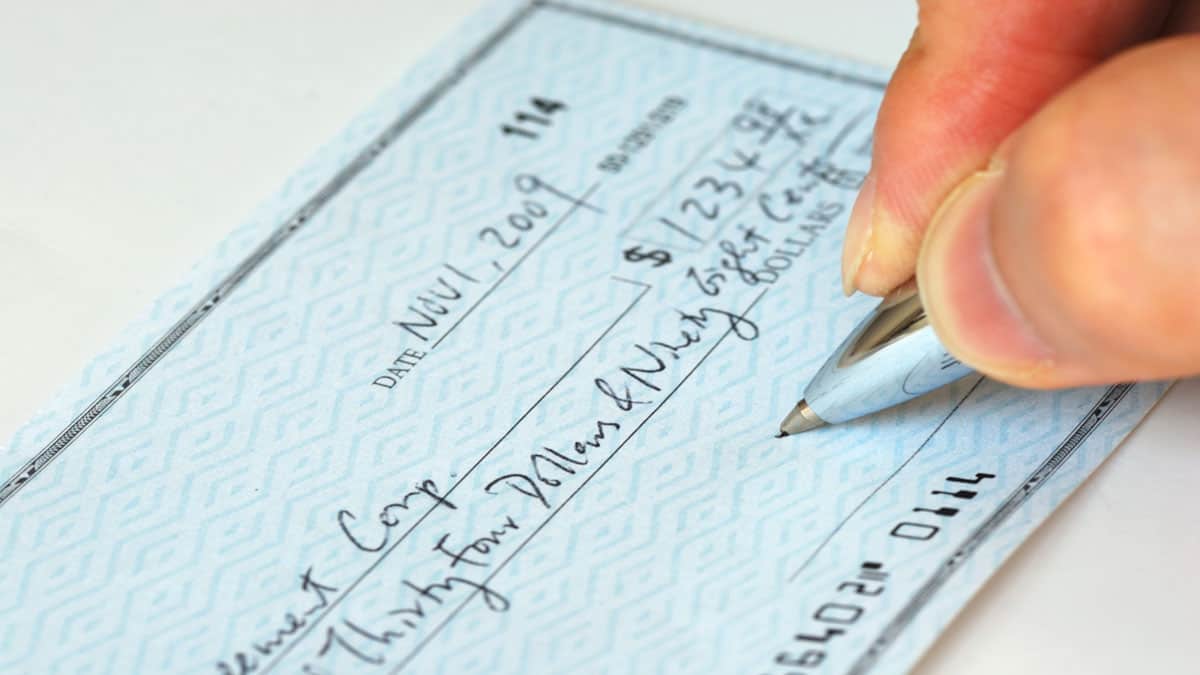
Fake check scams feel confusing because the check may actually appear to clear at first.
That’s what tricks people.
A scammer sends a check for too much money, then asks the victim to send back the extra.
Maybe it’s for a job. A rental deposit. A marketplace sale. A prize. A mystery shopping assignment.
The victim deposits the check and sees money in the account.
So they assume it’s safe.
But banks can make funds available before a check fully clears. Days later, the check bounces.
The bank removes the money from your account.
And the money you sent to the scammer?
Gone.
Any time someone sends a check and asks you to return part of it, assume it’s a scam.
Cryptocurrency Investment Scams
Crypto scams work because they mix confusion with greed.
A lot of people still don’t fully understand cryptocurrency, but they’ve heard stories of people making huge money.
Scammers use that gap.
They promise guaranteed returns, exclusive opportunities, secret trading platforms, or “low-risk” investments with massive upside.
Sometimes victims even see fake profits inside a fake app or website.
That’s the hook.
They invest a little and see the balance grow. Then they invest more. When they try to withdraw, suddenly there are fees, taxes, account holds, or verification problems.
The money was never really growing.
It was theater.
Any investment promising guaranteed high returns should be treated like a flashing warning sign.
Job Offer Scams
Work-from-home scams exploded because people genuinely want flexible income.
That makes job seekers vulnerable.
The fake job looks appealing: Good pay. Flexible schedule. No experience required. Quick hiring.
Then the “employer” asks for sensitive personal information, sends a fake check for equipment, or requires you to pay for training, software, or supplies.
That’s where the scam begins.
Legitimate employers don’t usually hire people instantly through text messages. They don’t ask you to deposit checks and send money elsewhere. And they don’t require upfront fees just to start working.
This scam works because people want opportunity.
Especially when money is tight.
But if a job seems strangely easy to get and involves money moving through your account, walk away.
Charity Scams
Scammers love tragedy.
Natural disasters. House fires. Medical emergencies. Community accidents. Major news events.
When people feel emotional, they want to help.
That’s a good instinct.
Unfortunately, scammers exploit it.
Fake charities often appear quickly after disasters, using emotional images, urgent language, and names that sound similar to real organizations.
The victim thinks they’re helping people in need.
The money goes somewhere else entirely.
This scam works because people don’t want to feel cynical when others are suffering.
But it’s not cynical to verify before giving.
Donate directly through trusted charity websites instead of clicking links from random messages or social media posts.
Debt Relief Scams

Debt relief scams target people who are already under pressure.
That’s what makes them so dangerous.
When someone is overwhelmed by credit cards, loans, medical bills, or collection calls, the promise of fast relief can feel like oxygen.
Scammers promise to erase debt, cut balances dramatically, stop collection calls, or fix everything quickly.
Then they charge large upfront fees.
In some cases, they tell consumers to stop making payments while they “negotiate.” That can damage credit, trigger more fees, and make the situation worse.
Not every debt relief company is bad.
But no one can magically erase debt without consequences.
If the promise sounds too clean, too fast, or too guaranteed, be careful.
Online Marketplace Scams
Buying and selling online is convenient.
It’s also full of traps.
A fake buyer may offer more than your asking price and send a fake payment confirmation.
A fake seller may list an item they don’t actually have.
Someone may ask you to move the conversation off the platform, use a strange payment method, or pay before seeing the item.
That’s usually where trouble begins.
Marketplace scams work because people are often excited.
They found a great deal. They want the item before someone else buys it. They’re eager to sell and move on.
Scammers use that urgency.
Stick with platform messaging, meet safely when appropriate, avoid unusual payment requests, and don’t believe screenshots of payments.
Screenshots are easy to fake.
Fake Invoice Scams
Fake invoice scams are boring.
That’s why they work.
A business owner, freelancer, or employee receives an invoice that looks legitimate.
Maybe it’s for software.
Office supplies. Advertising. Domain renewal. A subscription. A service they vaguely recognize.
The amount may be small enough that nobody wants to spend time investigating it.
That’s the trick.
Scammers know many companies process invoices quickly, especially if the bill looks official.
Some fake invoices even include phrases like “past due” or “final notice” to create urgency.
The best defense is having a simple approval process.
If nobody remembers ordering it, don’t pay it.
Boring paperwork can still steal real money.
Why These Scams Keep Working
The biggest myth about scams is that victims are foolish.
That’s not true.
Scams work because they target normal human emotions.
Fear. Urgency. Love. Greed. Trust. Hope. Loneliness. Embarrassment.
The scammer’s goal is not to win an argument.
It’s to make you act quickly.
That’s why the best defense is slowing down.
Before clicking a link, sending money, sharing information, or reacting to an emergency, pause.
Call the person directly. Go to the official website. Ask someone you trust. Wait ten minutes.
A real emergency can handle a little verification.
A scam usually can’t.
And that pause may be the thing that saves your money.
Read the full article here